Varicose vein ulcer treatment in Surat focuses on healing the open wound and, just as importantly, fixing the underlying vein problem that caused it — usually through compression therapy, wound care, and correcting the faulty vein once circulation has been confirmed safe. Left untreated, varicose veins can progress from a cosmetic concern to a slow-healing leg ulcer, especially in people who also have diabetes.
A leg ulcer rarely appears out of nowhere. It's usually the last stage of a vein problem that has been building for years — starting as small spider veins, progressing to bulging varicose veins, then to discoloured, itchy skin, and finally to a wound that won't close. Understanding this progression is the first step to getting the right varicose vein ulcer treatment before it reaches its most serious stage.
What Is a Varicose Vein Ulcer?
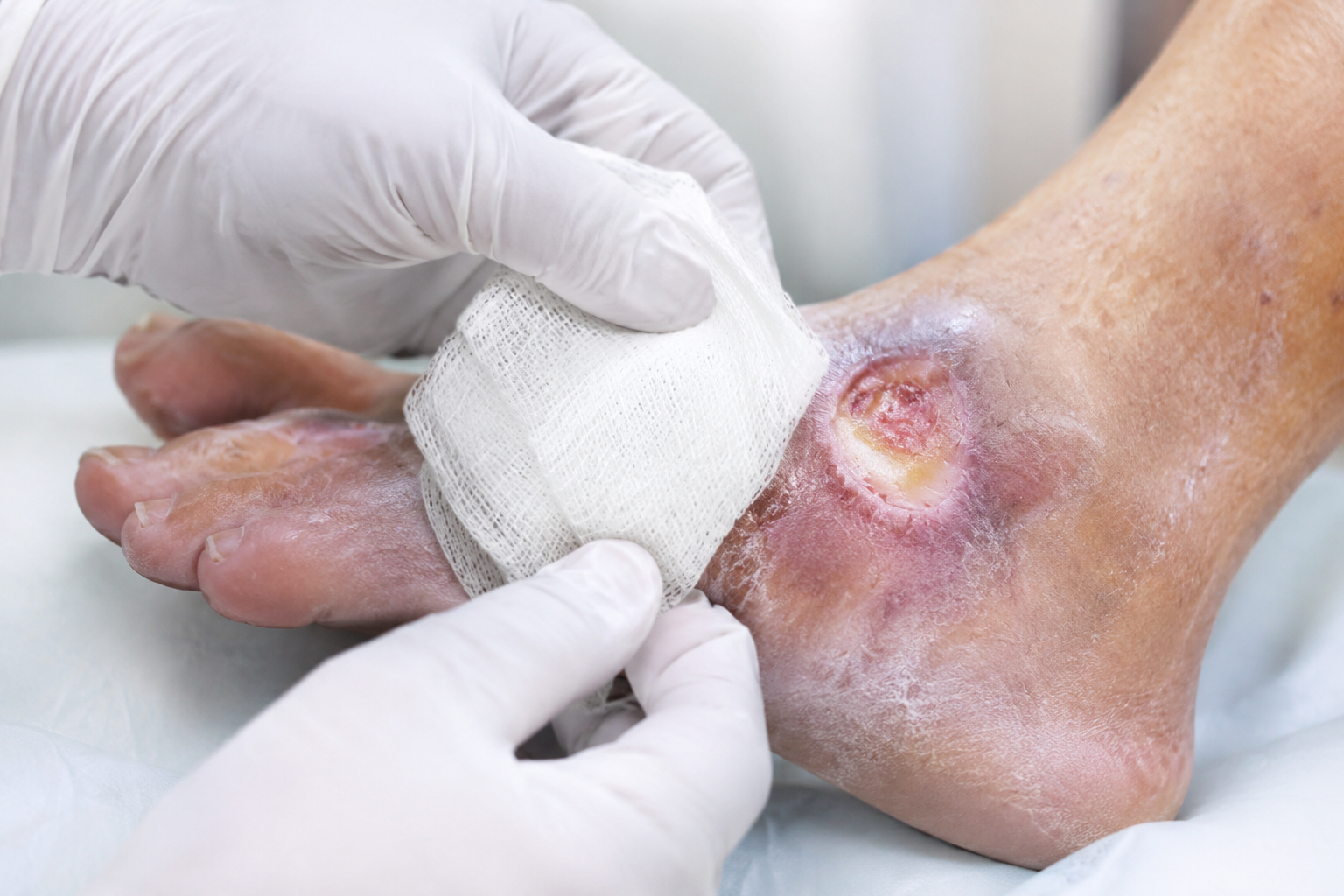
A varicose vein ulcer, also called a venous ulcer, is a shallow, often weepy wound that forms around the ankle when damaged vein valves let blood pool in the lower leg. Over time, this pooled blood raises pressure in the surrounding tissue, and the skin — starved of proper circulation — breaks down into an open wound that is slow to heal on its own.
How Do Varicose Veins Progress to an Ulcer?
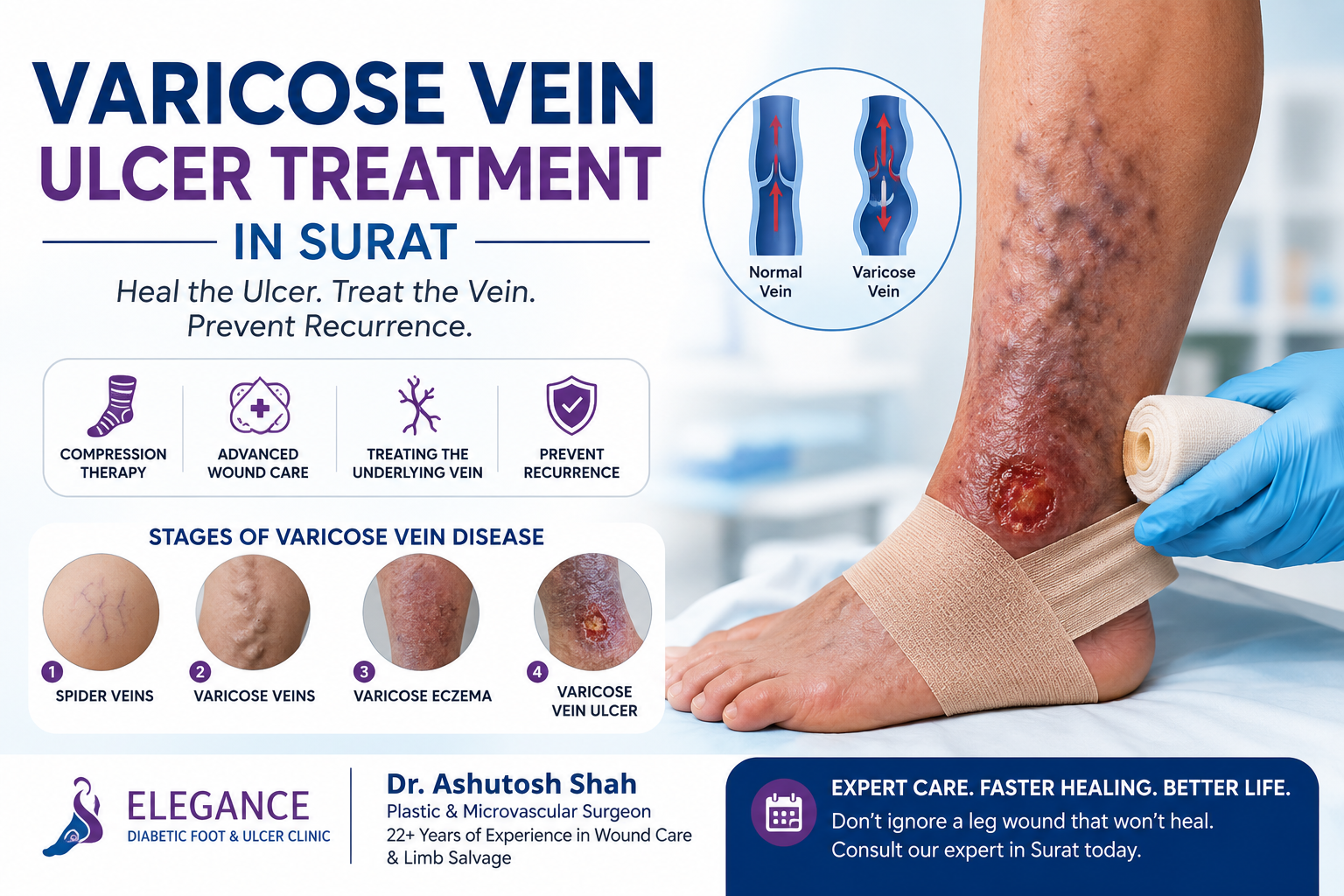
Varicose vein disease generally develops through four recognisable stages, and catching it early makes treatment far simpler.
| Stage | What It Looks Like | What It Means |
|---|---|---|
| 1. Spider Veins | Fine, thread-like red or blue veins near the skin surface | Early sign of vein weakness, usually cosmetic at this point |
| 2. Varicose Veins | Bulging, twisted veins visible under the skin | Vein valves are failing, causing pooling and pressure |
| 3. Varicose Eczema | Itchy, discoloured, hardened skin around the ankle | Chronic pressure is starting to damage the skin |
| 4. Varicose Vein Ulcer | An open, often weepy wound near the ankle | Skin breakdown has occurred; treatment needs both wound care and vein correction |
Signs You Shouldn't Ignore
- A shallow wound around the inner ankle that isn't healing
- Weepy or oozing fluid from the affected skin
- Swelling of the lower leg, especially by evening
- Brown, hardened, or discoloured skin near the ankle
- Aching, heavy legs that feel better when raised
Is It a Venous Ulcer or an Arterial Ulcer?
This distinction matters more than most patients realise, because the main treatment for a venous ulcer — compression — can be harmful if the real problem is poor arterial blood flow instead.
| Venous (Varicose Vein) Ulcer | Arterial Ulcer | |
|---|---|---|
| Common location | Inner ankle | Toes, heel, outer foot |
| Wound appearance | Shallow, often weepy | Deeper, punched-out edges |
| Pain pattern | Eases with leg elevation | Worsens with elevation, eases when leg hangs down |
| Right first step | Confirm circulation, then compress | Restore blood flow before anything else |
This is exactly why circulation is checked before any compression is applied — treating a venous ulcer as an arterial one, or vice versa, can genuinely make things worse.
How Is Varicose Vein Ulcer Treatment Done?
Effective varicose vein ulcer treatment follows a clear sequence rather than jumping straight to bandaging the wound:
- Circulation assessment: Doppler and ankle-brachial index testing confirm the arteries are healthy enough for compression to be safe.
- Compression therapy: Bandages or medical-grade stockings counteract the pooling that caused the ulcer, and remain the mainstay of treatment.
- Wound care: Regular dressing changes and debridement keep the wound clean and support healing.
- Addressing the vein itself: Depending on severity, this may involve lifestyle measures, medical management, or a referred vein procedure to correct the underlying reflux.
- Preventing recurrence: Ongoing compression and leg care once the wound has closed, since the vein problem itself doesn't disappear when the ulcer heals.
What Does Research Say About Compression Therapy?
Compression therapy has strong clinical backing as the first-line treatment for venous leg ulcers. A Cochrane systematic review of 14 randomised controlled trials found that people treated with compression bandages or stockings were more likely to achieve complete ulcer healing, and tended to heal more quickly, than those without compression (Shi et al., Cochrane Database of Systematic Reviews, 2021). This evidence is exactly why compression, applied correctly and only once circulation is confirmed safe, remains central to varicose vein ulcer treatment rather than wound dressings alone.
Who Is at Higher Risk of Varicose Vein Ulcers?
Varicose vein ulcers are more common in people who stand for long hours, have a family history of vein problems, have had a previous blood clot, or are overweight. People with diabetes face an added layer of risk, since diabetic nerve damage can mask the early pain and swelling that would otherwise prompt someone to seek treatment sooner, letting the problem progress further before it's noticed.
Recovery Timeline for Varicose Vein Ulcer Treatment
- Weeks 1–2: Circulation confirmed, compression started, wound cleaned and dressed
- Weeks 3–8: Steady reduction in wound size with consistent compression and dressing changes
- Months 2–4: Most straightforward venous ulcers close within this window with consistent treatment
- Ongoing: Long-term compression and leg care to prevent the ulcer returning, since the underlying vein problem needs continued management
How Much Does Varicose Vein Ulcer Treatment Cost in Surat?
Cost depends on how advanced the ulcer is, how many weeks of compression and dressing are needed, and whether the underlying vein problem requires a referred procedure alongside wound care. An accurate estimate is only possible after a circulation assessment and wound review, since two patients with a similar-looking ulcer can need very different treatment plans.
Varicose Vein Ulcer Treatment at Elegance Diabetic Foot & Ulcer Clinic, Surat
At Elegance Diabetic Foot & Ulcer Clinic (EDFC), varicose vein ulcer treatment is led by Dr. Ashutosh Shah, a plastic and microvascular surgeon with over two decades of experience in wound care and limb salvage in Surat, Gujarat. As an expert doctor treating both diabetic and non-diabetic leg ulcers under one roof, Dr. Shah's team confirms circulation first, applies the right compression and wound care, and coordinates any further vein or vascular procedure needed — so patients aren't passed between disconnected specialists while a slow-healing ulcer sits untreated.
Concerned About a Leg Wound That Won't Heal?
A leg ulcer that isn't healing deserves prompt, expert assessment rather than guesswork with home remedies. Book a consultation with EDFC in Surat, or send a photo of the affected area on WhatsApp for a quick initial assessment.
This article is for general educational purposes only and is not a substitute for an in-person diagnosis. Please consult Dr. Ashutosh Shah or a qualified clinician for advice specific to your condition.
quiz Frequently Asked Questions
This article is general education, not a diagnosis. If you have a diabetic foot wound, please have it assessed in person. Send a photo on WhatsApp or book a consultation.
About the Author
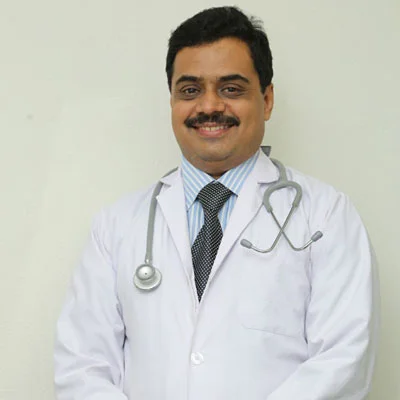
Dr. Ashutosh Shah, Plastic, Reconstructive & Diabetic Foot Surgeon, Elegance Diabetic Foot & Ulcer Clinic, Surat
Dr. Ashutosh Shah is a board certified plastic and reconstructive surgeon with over 22 years of experience and more than 10,000 limbs and feet saved. He founded Elegance Diabetic Foot & Ulcer Clinic, India's first chain of clinics dedicated to foot care, with centres in Surat and OPD partners across South Gujarat. He is known for a limb first approach, safe wound care and ethical, natural results.