Written by Dr. Ashutosh Shah, Plastic & Microvascular Surgeon - Diabetic Foot & Limb Salvage Specialist, Elegance Diabetic Foot & Ulcer Clinic (EDFC). Practising since 2004 (22+ years). Read full bio.
Medically reviewed by Dr. Ashutosh Shah · Published 7 August 2026 · Last reviewed 7 August 2026.
A skin graft diabetic wound in Bondapalli is treated by taking a thin layer of skin, usually from the thigh, and laying it over a clean foot wound so it can close. Grafting only works when infection is controlled, blood supply is adequate and the wound bed is healthy.
Patients often ask for a graft as if it were the first step. It is closer to the last. A graft is a covering, not a cure, and everything that decides whether it survives happens before the operation and in the two weeks after it. This post walks through that sequence in order.
Is your wound ready for a skin graft?
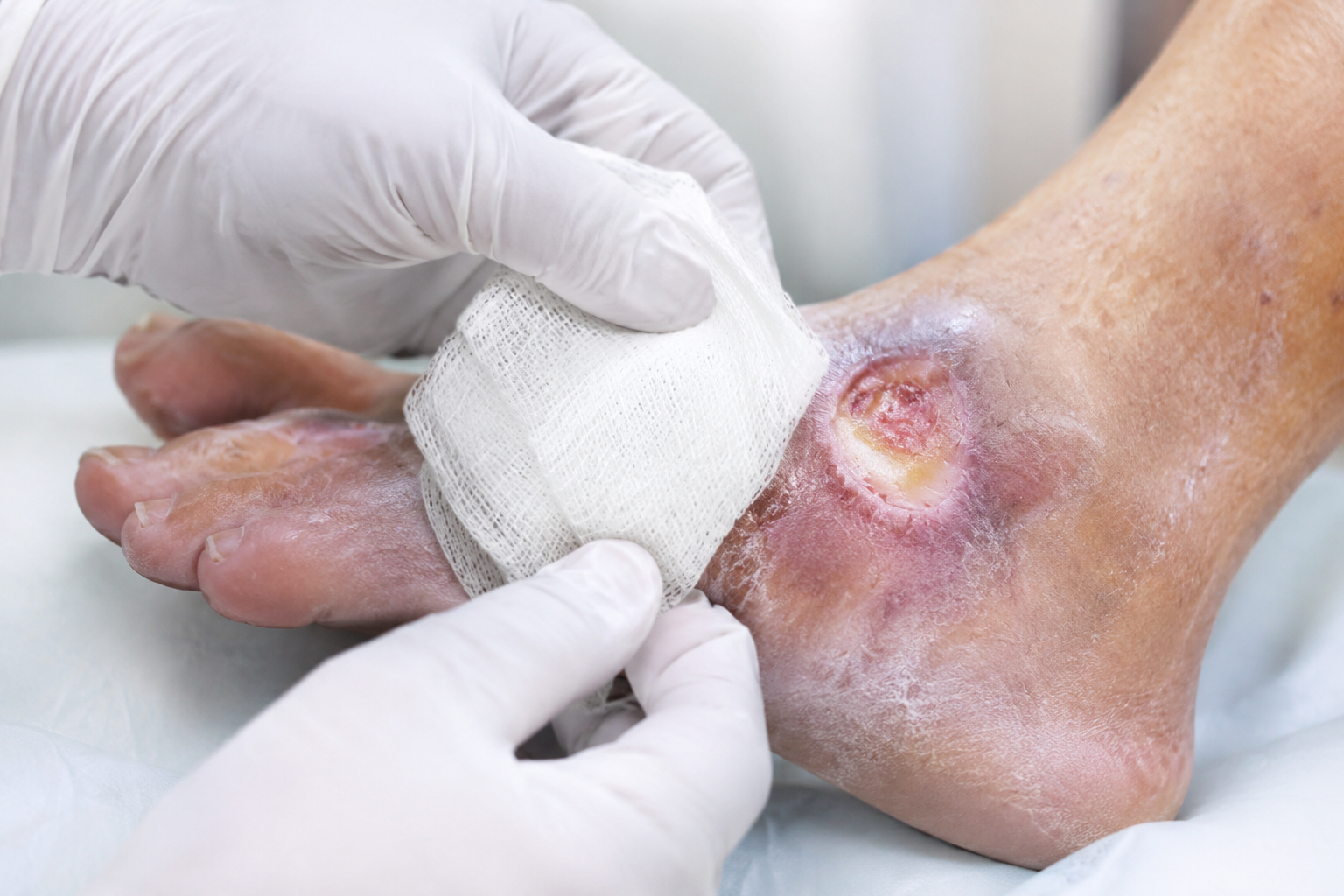
A wound is ready for grafting when it is clean, pink and granulating, free of spreading infection and dead tissue, and supplied by adequate blood flow. If any of those is missing, a graft placed today will simply slide off next week.
Run through this readiness checklist:
- Healthy granulation tissue, a beefy pink surface rather than yellow slough or black eschar.
- No spreading infection, no cellulitis, pus, foul smell or fever.
- Adequate circulation, confirmed by pulses, Doppler or toe pressures.
- No exposed bone or tendon without covering, since grafts do not take on bare bone.
- Bone infection treated, if osteomyelitis was present.
- Reasonable blood sugar control, nutrition and haemoglobin.
Two of these are commonly overlooked. Blood supply is the first, which is why circulation is assessed through our vascular services before any graft is planned. Nutrition is the second, since a body short on protein cannot build the new vessels a graft depends on.
What exactly is a skin graft?
A skin graft is a sheet of skin removed from one part of the body and transferred to cover a wound elsewhere. For diabetic foot wounds the usual choice is a split thickness graft, a thin layer taken from the thigh, which leaves the donor site to heal on its own.
The graft has no blood supply of its own at first. It survives on fluid from the wound bed for the first two days, then new vessels grow into it. That is why a still wound bed matters so much, and why movement or fluid collecting underneath will kill a graft that was otherwise perfect.
How is the wound prepared before grafting?
Wound preparation usually takes one to several weeks. Dead tissue is removed, infection is treated with culture-guided antibiotics, pressure is taken off the area, and dressings or negative pressure therapy are used to build a healthy granulating surface.
- Debridement of slough, dead tissue and callused edges, repeated as needed.
- Culture-guided antibiotics if infection is present, rather than blind treatment.
- Restoring circulation by angioplasty or bypass where arteries are blocked.
- Offloading so the wound is not being crushed with every step.
- Negative pressure wound therapy and advanced dressings under non-surgical wound management.
- Correcting the mechanical cause, such as a bony prominence, through bone shaving or metatarsal osteotomy.
- Blood sugar, protein and haemoglobin optimisation before theatre.
Skipping this stage is the single most common reason a graft fails. Time spent preparing the bed is not delay, it is what makes the operation worth doing.
What happens during the operation?
Skin grafting is usually a short procedure under regional or general anaesthesia. The wound bed is freshened, a thin sheet of skin is harvested from the thigh with a dermatome, often meshed to allow drainage, then laid over the wound and secured.
- Final debridement of the wound bed so it bleeds healthily.
- Harvest of a thin split thickness sheet from the thigh.
- Meshing, making small slits so fluid can escape and the graft covers a wider area.
- Fixation with sutures, staples or glue, then a firm dressing or negative pressure dressing.
- Immobilisation of the foot so the graft is not disturbed.
What about the donor site on the thigh?
The donor site is a shallow graze-like wound that heals on its own in about two weeks, since only the upper layers of skin are taken. It is often more uncomfortable than the grafted foot for the first few days, and it usually leaves a lighter patch of skin.
It is dressed at surgery and generally left undisturbed. Keeping it clean and dry, and not picking at the dressing, is most of the aftercare. Some permanent colour difference is normal and fades over months.
What happens in the first two weeks?
The first two weeks decide the result. The graft is kept completely still, the first dressing check is usually at day four or five, and by two weeks it is clear how much of the graft has taken. Weight bearing on the area is avoided throughout.
| Stage | What is happening | What you must do |
|---|---|---|
| Days 0 to 2 | Graft survives on fluid from the wound bed | Complete rest, foot elevated, dressing untouched |
| Days 3 to 5 | New blood vessels begin growing into the graft | First dressing check, still no weight on the area |
| Days 5 to 14 | Graft becomes attached and pink, edges knit in | Protected mobilisation only, as instructed |
| Weeks 2 to 6 | Graft matures, donor site heals over | Gradual weight bearing in offloading footwear |
| Months 2 to 6 | Graft softens, colour settles, skin toughens | Moisturising, custom insoles, daily foot checks |
Why do skin grafts fail?
Grafts fail when the graft is separated from the wound bed or the bed cannot support it. The usual causes are blood or fluid collecting underneath, movement, infection, poor circulation, and pressure from walking too early.
- Haematoma or seroma, fluid lifting the graft off the bed.
- Movement or shear, from walking on it or a loose dressing.
- Infection in the wound bed.
- Inadequate blood supply, the most important and most missed factor.
- Grafting too early, onto slough, dead tissue or exposed bone.
- Poor sugar control, low protein or anaemia.
- Smoking, which constricts the small vessels the graft depends on.
A partially failed graft is not a disaster. Small areas often heal by themselves or with dressings, and regrafting is possible once the bed is healthy again.
What are the alternatives to a skin graft?
Alternatives include letting the wound close on its own with dressings and negative pressure therapy, direct surgical closure for small wounds, local or free flap reconstruction where bone or tendon is exposed, and skin substitutes in selected cases.
The choice depends on what lies at the base of the wound. A graft needs a vascular bed, so exposed bone, tendon or joint usually calls for a flap instead, which brings its own blood supply. These options sit within diabetic foot surgery.
How do you protect the result long term?
A grafted area is thinner and less robust than normal sole skin, so it needs lifelong protection. Custom insoles, proper footwear, daily inspection, moisturising and blood sugar control are what stop the wound returning in the same place.
- Wear custom offloading insoles and footwear, not ordinary chappals.
- Check the grafted area daily for redness, blisters or breakdown.
- Moisturise the graft and surrounding skin, avoiding between the toes.
- Never walk barefoot.
- Attend follow-up under preventive foot care so early breakdown is caught as redness, not as an ulcer.
Skin grafting and diabetic wound care for Bondapalli
Elegance Diabetic Foot & Ulcer Clinic (EDFC), led by Dr. Ashutosh Shah, provides wound bed preparation, skin grafting, flap reconstruction and limb salvage from its centre in Surat, with diabetic foot care expanding into the Vizianagaram district including Bondapalli. If you are considering a skin graft diabetic wound in Bondapalli, the first question is not when to graft but whether the wound and the circulation are ready.
You can send a clear photo of the wound to our team on WhatsApp for initial guidance and book a wound assessment. If the foot is hot, swollen, foul smelling or you have fever, go to hospital the same day instead. Follow EDFC on Facebook, Instagram and YouTube for wound care guidance and real limb salvage stories.
Prepare the bed, and the graft looks after itself
Almost every failed graft can be traced back to something that was not sorted out first, usually blood supply, infection or pressure. Get those right and grafting becomes a straightforward step that closes a wound which has been open for months.
Next step: book a wound and circulation assessment with Dr. Ashutosh Shah at Elegance Diabetic Foot & Ulcer Clinic, or send a photo of the wound on WhatsApp today to find out whether it is ready for grafting.
Medical disclaimer: This article is for educational purposes only and is not a substitute for professional medical diagnosis or treatment. Suitability for skin grafting depends on your circulation, infection status, wound bed and overall health. Please consult Dr. Ashutosh Shah or a qualified specialist about your condition. For further guidance, see the NHS guide to skin grafts and the IWGDF diabetic foot guidelines.
quiz Frequently Asked Questions
This article is general education, not a diagnosis. If you have a diabetic foot wound, please have it assessed in person. Send a photo on WhatsApp or book a consultation.
About the Author
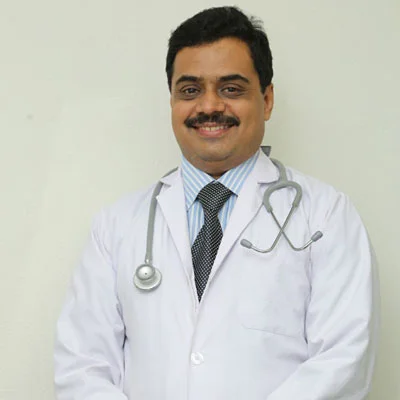
Dr. Ashutosh Shah, Plastic, Reconstructive & Diabetic Foot Surgeon, Elegance Diabetic Foot & Ulcer Clinic, Surat
Dr. Ashutosh Shah is a board certified plastic and reconstructive surgeon with over 22 years of experience and more than 10,000 limbs and feet saved. He founded Elegance Diabetic Foot & Ulcer Clinic, India's first chain of clinics dedicated to foot care, with centres in Surat and OPD partners across South Gujarat. He is known for a limb first approach, safe wound care and ethical, natural results.