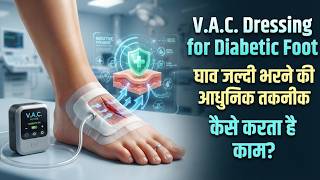
VAC therapy for a wound, also called negative pressure wound therapy (NPWT), uses a sealed vacuum dressing to gently suction fluid from the wound, boost blood flow, and pull the edges together. It speeds healing of non-healing and diabetic foot wounds, helping close ulcers that ordinary dressings cannot.
When a wound will not heal with normal dressings, VAC therapy can restart the healing process. This guide explains what VAC therapy is, how it works, which wounds it helps, its benefits and cost, and where to get expert VAC therapy near you.
What is VAC therapy for a wound?
VAC therapy, short for Vacuum-Assisted Closure, is an advanced wound treatment that places a special foam dressing over the wound, seals it with a film, and connects it to a pump that applies gentle suction. This is also known as negative pressure wound therapy, or NPWT.
The controlled vacuum creates the ideal environment for healing and does what a normal dressing cannot. It is a core part of advanced wound management for complex and non-healing wounds.
How does VAC therapy work?
VAC therapy works by applying gentle, controlled negative pressure across the wound through a sealed foam dressing. This suction removes excess fluid and bacteria, reduces swelling, increases blood flow to the area, and stimulates new tissue while drawing the wound edges together.
The result is faster growth of healthy granulation tissue and a cleaner, better-supplied wound bed. By actively improving the wound environment, VAC therapy helps close wounds that have stalled for weeks or months.
What are the benefits of VAC therapy?
The main benefit of VAC therapy is faster, more reliable healing of difficult wounds, along with better infection control and fewer dressing changes. It supports the wound on several fronts at once.
- Speeds healing by stimulating new, healthy tissue growth.
- Removes excess fluid and bacteria, lowering infection risk.
- Reduces swelling and improves blood flow to the wound.
- Draws the wound edges together, helping it close.
- Fewer dressing changes, as the dressing stays on for a few days.
- Prepares deep wounds for skin grafting or flap surgery.
Which wounds can VAC therapy treat?
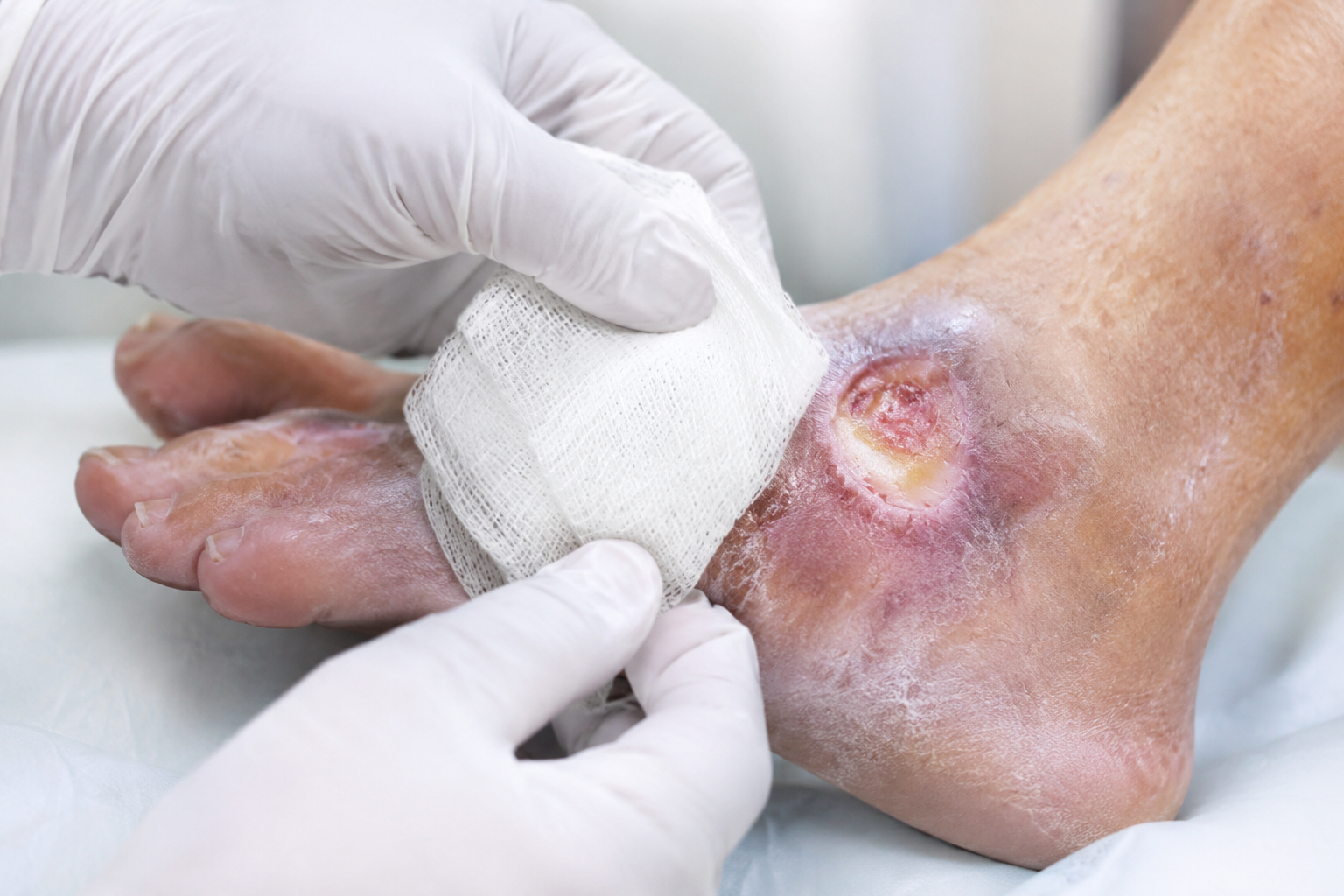
VAC therapy is used for a wide range of complex and non-healing wounds, chosen case by case after assessment. It is especially valuable for diabetic foot wounds that are slow to heal.
- Diabetic foot ulcers and other non-healing ulcers.
- Pressure ulcers (bedsores) and traumatic wounds.
- Surgical wounds that have reopened.
- Large or deep wounds being prepared for a skin graft or flap.
- Post-debridement wounds that need to build healthy tissue.
Is VAC therapy good for diabetic foot ulcers?
Yes, VAC therapy is highly effective for diabetic foot ulcers, which often stall and are prone to infection. The negative pressure removes harmful fluid, boosts blood flow, and grows new tissue, helping close ulcers that resist ordinary care.
On its own, VAC therapy is not a complete cure. It works best as part of a full plan that includes wound debridement, infection and blood sugar control, offloading pressure, and restoring blood flow, all of which protect the foot and support lasting healing.
How is VAC therapy done?
VAC therapy is carried out by a wound specialist in a series of simple steps, and modern portable pumps let many patients stay mobile during treatment. The wound is prepared, sealed, and connected to the vacuum pump.
- Debridement removes dead or infected tissue from the wound first.
- Foam dressing is cut to fit and placed into the wound.
- Sealing film covers the area to create an airtight seal.
- Pump connection applies gentle, controlled suction.
- Dressing changes are done every few days as the wound heals.
VAC therapy vs regular wound dressings
A regular dressing mainly covers and absorbs, while VAC therapy actively heals the wound. For a stubborn or deep wound, this difference is often what finally gets it to close. The table below compares the two.
| Feature | VAC therapy (NPWT) | Regular dressing |
|---|---|---|
| Main action | Actively removes fluid and grows new tissue | Covers and absorbs the wound |
| Best for | Deep, non-healing, or diabetic wounds | Minor, healthy wounds |
| Blood flow | Increases blood flow to the wound | No active effect |
| Dressing changes | Every few days | Often daily |
| Healing speed | Faster for complex wounds | Slower; may stall |
How long does VAC therapy take, and are there risks?
VAC therapy usually continues for a few weeks, with the dressing changed every two to three days, until the wound has built enough healthy tissue to close or be grafted. The exact duration depends on the wound and is decided by your specialist.
VAC therapy is generally safe, but it is not suitable for every wound, such as those with exposed blood vessels, untreated infection, dead tissue that needs removing first, or cancer in the wound. This is why it must be set up and monitored by an expert wound care doctor.
Where can you get expert VAC therapy near you?
Expert VAC therapy is available at Elegance Diabetic Foot & Ulcer Clinic in Surat, with OPD centres in Adajan and Vesu and patients coming from across India, including cities such as Ahmedabad, Mumbai, Pune, and Vizianagaram. An expert doctor assesses the wound and decides whether VAC therapy is the right treatment.
Because VAC therapy must be set up correctly and monitored, it should be provided by a wound care specialist, not attempted at home. You can find center details on the OPD centers page and book the location most convenient for you.
How much does VAC therapy for a wound cost?
The cost of VAC therapy depends on the wound's size, how long treatment is needed, and whether procedures such as debridement or a skin graft are also required, so an accurate price is given after assessment. Healing a wound with VAC therapy can be more economical than months of failed dressings.
At your consultation, the specialist examines the wound, confirms whether VAC therapy is suitable, and explains the treatment plan and its cost clearly.
VAC therapy at Elegance Diabetic Foot & Ulcer Clinic, Surat
At Elegance Diabetic Foot & Ulcer Clinic in Surat, led by Dr. Ashutosh Shah, VAC therapy is used as part of a complete, limb-saving approach to non-healing and diabetic wounds. As a plastic and microvascular surgeon, Dr. Shah combines VAC therapy with debridement, PRP, and, where needed, skin grafting and reconstructive surgery to close complex wounds and save the foot. Expert assessment ensures VAC therapy is used where it will help most.
Book expert VAC therapy in Surat
If a wound or diabetic foot ulcer is not healing, VAC therapy could help it close. Book a consultation with Elegance Diabetic Foot & Ulcer Clinic in Surat, or send a photo of the wound on WhatsApp for quick guidance on your next step.
This article is for general education only and is not a substitute for professional medical advice, diagnosis, or treatment. VAC therapy must be provided and monitored by a qualified specialist. Please consult Dr. Ashutosh Shah or a qualified specialist about your individual wound.
quiz Frequently Asked Questions
This article is general education, not a diagnosis. If you have a diabetic foot wound, please have it assessed in person. Send a photo on WhatsApp or book a consultation.
About the Author
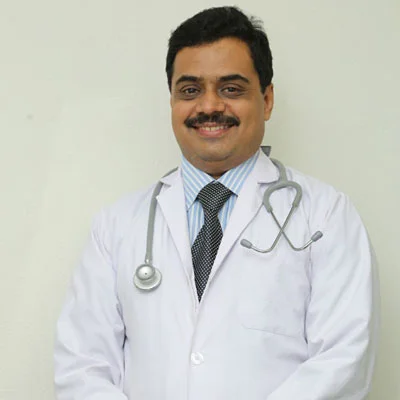
Dr. Ashutosh Shah, Plastic, Reconstructive & Diabetic Foot Surgeon, Elegance Diabetic Foot & Ulcer Clinic, Surat
Dr. Ashutosh Shah is a board certified plastic and reconstructive surgeon with over 22 years of experience and more than 10,000 limbs and feet saved. He founded Elegance Diabetic Foot & Ulcer Clinic, India's first chain of clinics dedicated to foot care, with centres in Surat and OPD partners across South Gujarat. He is known for a limb first approach, safe wound care and ethical, natural results.