Offloading insoles for the diabetic foot are custom or specialised shoe inserts that spread body weight away from high-pressure spots on the sole. By reducing the repeated pressure that causes most diabetic foot ulcers, they help prevent new and recurring ulcers, protect existing wounds, and support faster healing.
If a diabetic foot ulcer keeps coming back in the same place, pressure is usually the reason. This guide explains how offloading insoles lower that pressure, who needs them, the different types available, and how to get the right one fitted.
What are offloading insoles for the diabetic foot?
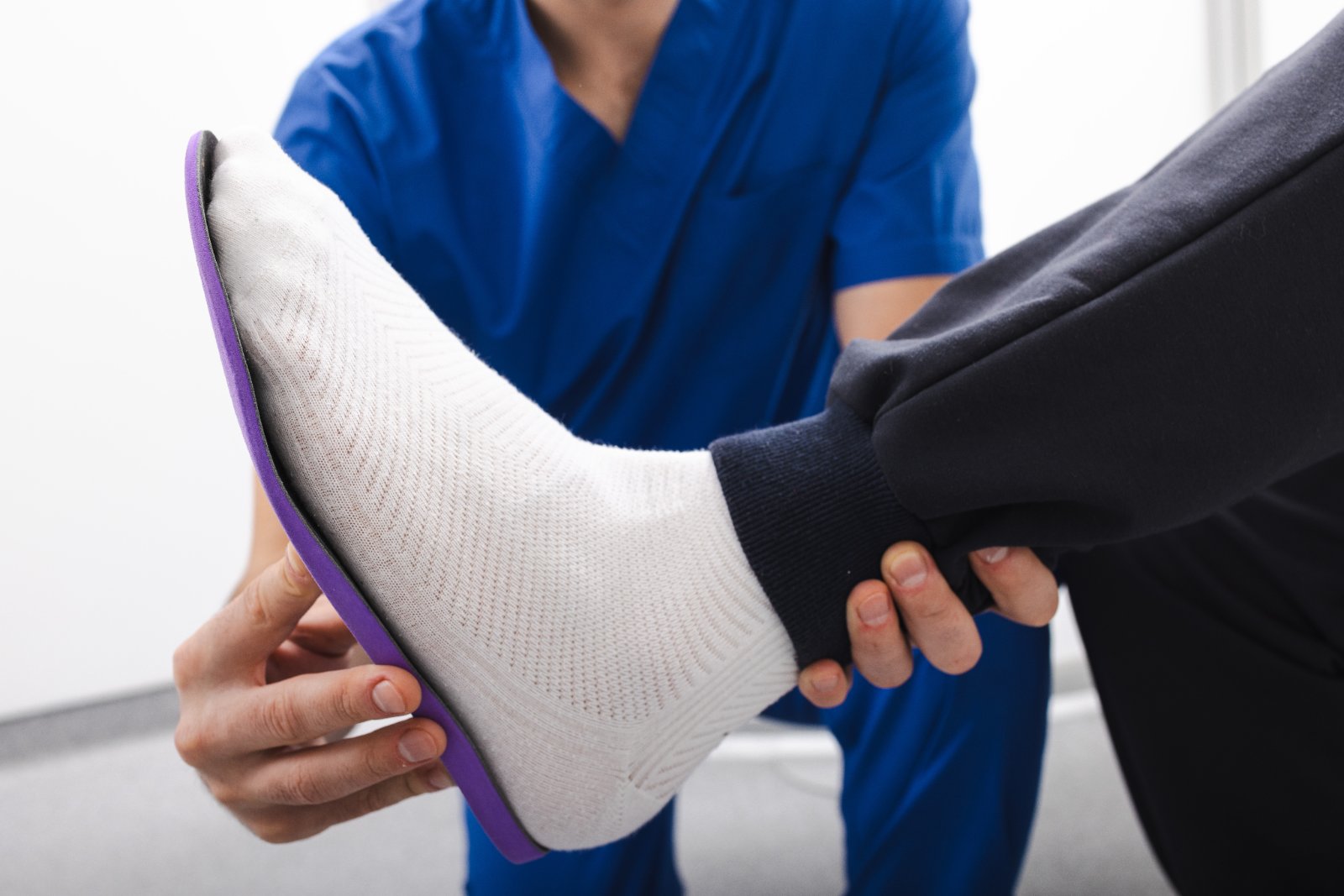
Offloading insoles are specially designed shoe inserts that redistribute pressure across the sole so that no single area - such as the ball of the foot or the heel - takes too much load. For a diabetic foot, this protection is the difference between healthy skin and a breakdown into an ulcer.
Unlike ordinary cushioned insoles, offloading insoles are usually shaped to the individual foot and can be built to relieve a specific high-pressure point or accommodate a deformity. They are a core part of both preventing and healing diabetic foot ulcers.
Why does foot pressure cause diabetic foot ulcers?
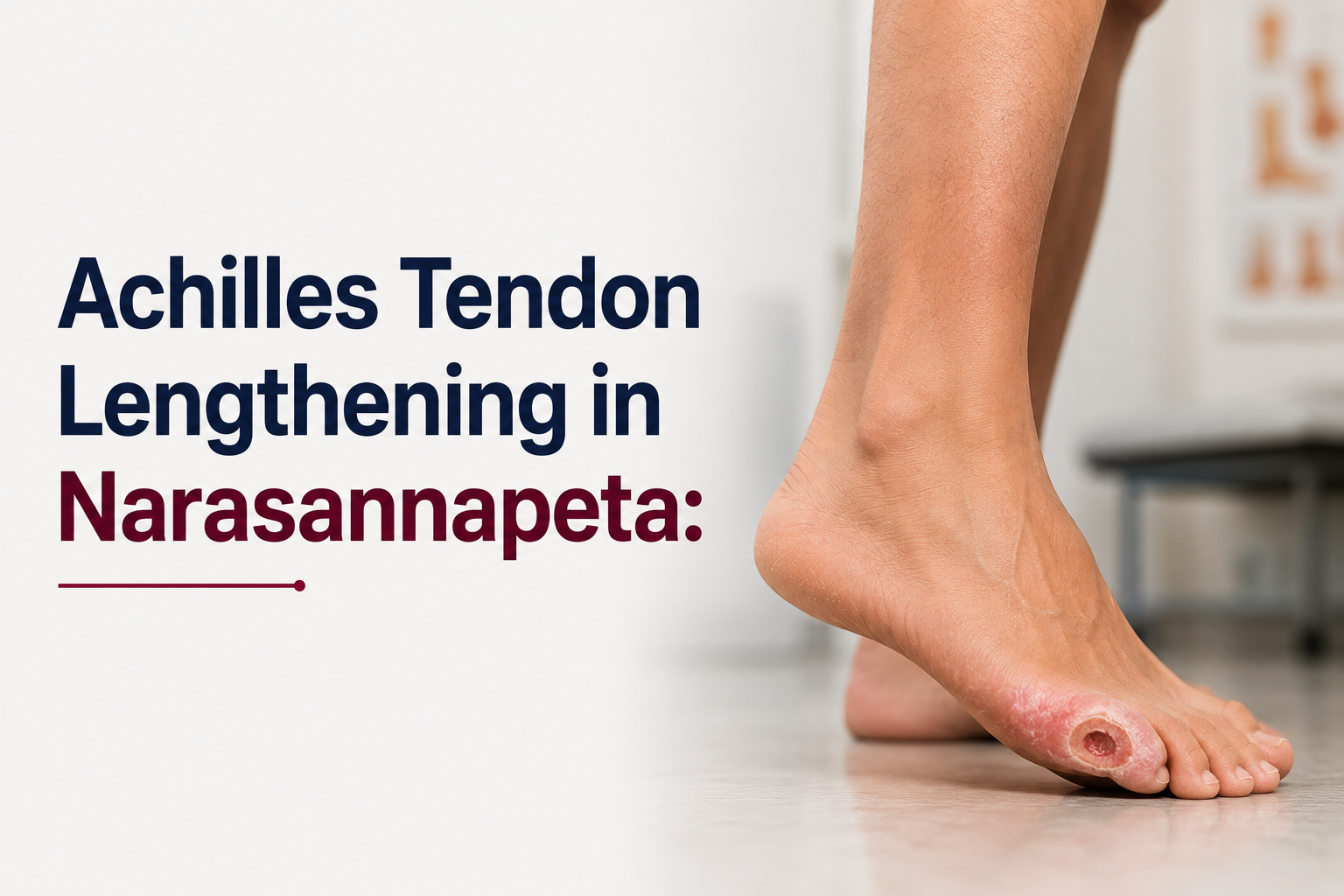
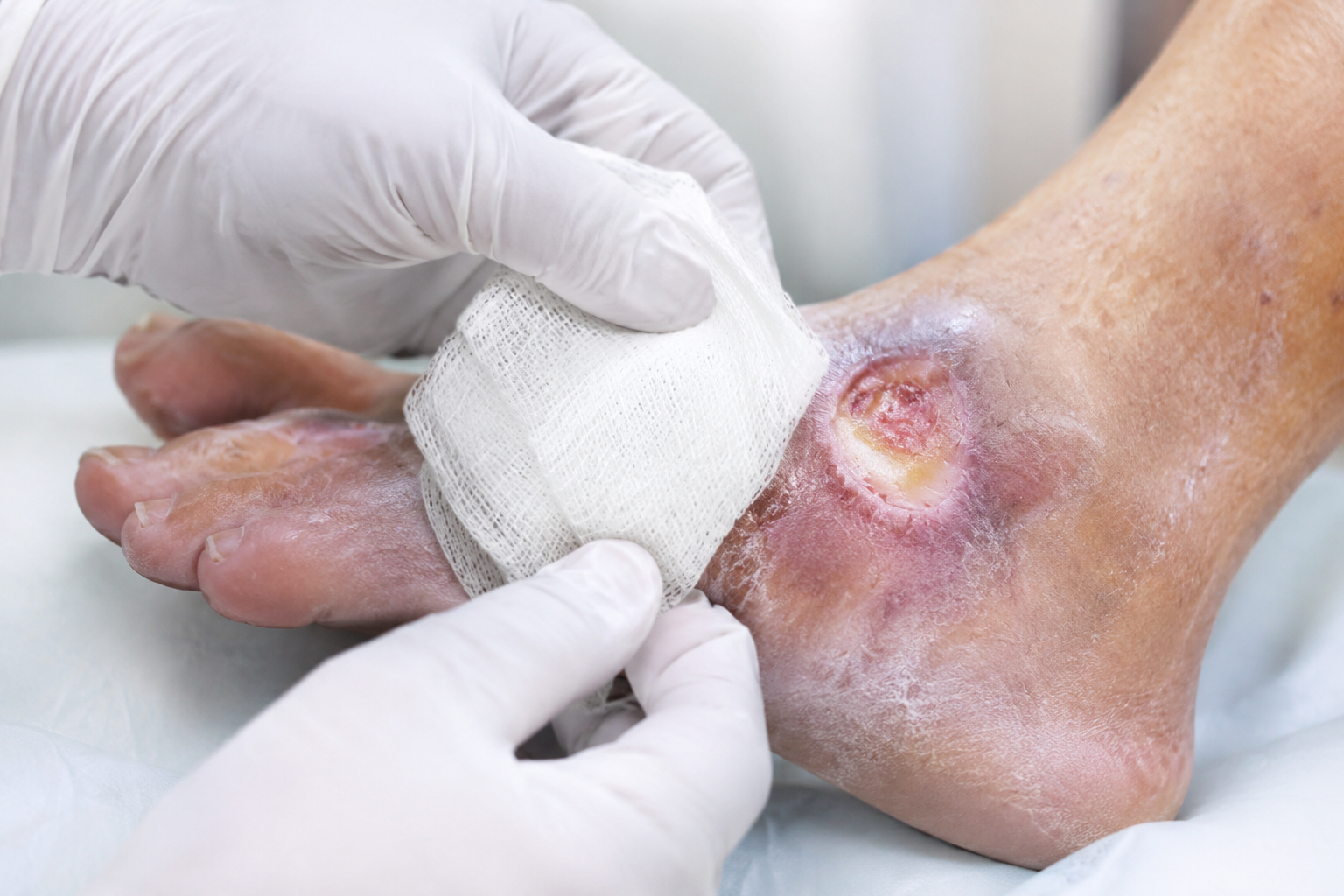
Foot pressure causes diabetic foot ulcers because repeated high pressure on a numb sole damages the skin without the person feeling it. In diabetes, nerve damage removes the pain that would normally make you shift your weight, so one spot is loaded over and over until it breaks down.
This is also why ulcers recur: if the pressure that caused the first ulcer is never corrected, a healed wound simply reopens in the same place. Relieving that pressure - offloading - addresses the root cause rather than just dressing the wound.
How do offloading insoles prevent and heal ulcers?
Offloading insoles prevent and heal ulcers by lowering the peak pressure on vulnerable areas of the sole. Less pressure means the skin is not repeatedly injured, so healthy skin stays intact and an open wound is protected long enough to close.
- Prevention - they stop high-pressure zones from forming the callus and skin damage that turn into ulcers.
- Healing - they take weight off an existing ulcer so new tissue is not crushed with every step.
- Preventing recurrence - they keep pressure off a healed site, which is where ulcers most often return.
- Comfort and mobility - they let patients stay active safely instead of being confined to bed.
Who needs offloading insoles?
Anyone with diabetes who has nerve damage, foot deformity, a current ulcer, or a history of ulcers should be assessed for offloading insoles. The higher your risk, the more important offloading becomes.
- People with diabetic neuropathy (reduced sensation in the feet).
- Anyone with a current or previous diabetic foot ulcer.
- Feet with deformity - bunions, hammer toes, high arches, or Charcot foot.
- People with thick calluses over bony pressure points.
- Those who have had foot surgery and need to protect the sole afterward.
What types of offloading insoles and devices are there?
Offloading ranges from removable insoles to full casts and, in some cases, surgery. The right option depends on whether the goal is prevention, healing an active ulcer, or correcting the cause. The table below compares the main types.
| Type | What it is | Best for |
|---|---|---|
| Custom insoles / orthotics | Inserts moulded to your foot to redistribute pressure | Prevention and long-term protection |
| Therapeutic diabetic footwear | Wide, deep shoes with cushioned, offloading soles | Daily prevention for high-risk feet |
| Total contact cast / cast walker | A cast or boot that takes weight off an active ulcer | Healing a current plantar ulcer |
| Surgical (internal) offloading | Procedures like tendon lengthening to relieve pressure | Ulcers that keep recurring despite insoles |
How are offloading insoles different from normal insoles?
A normal insole mainly adds cushioning; an offloading insole is designed to move pressure away from a specific at-risk area. Ordinary comfort insoles may feel soft but still leave a dangerous pressure point loaded, whereas an offloading insole is shaped to protect it.
This is why offloading insoles for a diabetic foot are best made after a proper assessment rather than bought off the shelf. A generic insole can even worsen pressure if it does not match the foot's shape and problem areas.
How do you get the right offloading insoles?
You get the right offloading insoles through a specialist foot assessment that measures where pressure is highest and designs the insole around it. Guessing or buying blind risks leaving the danger area unprotected.
At a diabetic foot clinic, this usually involves examining the foot, checking sensation and circulation, and using foot pressure analysis and assessment to map high-load zones. The insole or footwear and offloading device is then matched to your foot, deformity, and risk level.
What should you avoid when using offloading insoles?
The biggest mistake is not wearing the insoles consistently - offloading only works while it is on the foot. Taking the shoes off around the house, even briefly, puts full pressure back on the at-risk area and can undo the protection.
Also avoid using worn-out insoles, walking barefoot, or switching to unsupportive shoes for "just a short walk". Replace insoles when they flatten, wear them with every step, and return for review so they keep matching your foot as it changes.
Offloading solutions at Elegance Diabetic Foot & Ulcer Clinic
At Elegance Diabetic Foot & Ulcer Clinic in Surat, led by Dr. Ashutosh Shah, offloading is treated as central to stopping ulcers - not an afterthought. The team maps foot pressure, fits custom insoles and therapeutic footwear, uses casts or walkers to heal active ulcers, and offers surgical offloading when an ulcer keeps returning despite good footwear. The goal is simple: take the pressure off, so the foot can stay whole.
Take the pressure off - talk to a specialist
If your diabetic foot ulcer keeps returning, or you have neuropathy or a foot deformity, offloading could be what protects your foot. Book an offloading and pressure assessment with Elegance Diabetic Foot & Ulcer Clinic, or send a photo of your foot on WhatsApp for quick guidance on your next step.
This article is for general education only and is not a substitute for professional medical advice, diagnosis, or treatment. Offloading and footwear should be prescribed by a qualified specialist. Please consult Dr. Ashutosh Shah or a qualified specialist about your individual condition.
quiz Frequently Asked Questions
This article is general education, not a diagnosis. If you have a diabetic foot wound, please have it assessed in person. Send a photo on WhatsApp or book a consultation.
About the Author

Dr. Ashutosh Shah, Plastic, Reconstructive & Diabetic Foot Surgeon, Elegance Diabetic Foot & Ulcer Clinic, Surat
Dr. Ashutosh Shah is a board certified plastic and reconstructive surgeon with over 22 years of experience and more than 10,000 limbs and feet saved. He founded Elegance Diabetic Foot & Ulcer Clinic, India's first chain of clinics dedicated to foot care, with centres in Surat and OPD partners across South Gujarat. He is known for a limb first approach, safe wound care and ethical, natural results.