Morning heel pain - a sharp stab in the heel with your first steps out of bed - is most often caused by plantar fasciitis or abnormal foot pressure, not something a painkiller can fix. Painkillers only mask it. Foot pressure analysis finds the real cause so treatment can target the source, not just the symptom.
If your heel hurts most with the first steps every morning and eases as you move, you are not alone - and reaching for a painkiller each day is not the answer. This guide explains what causes morning heel pain, why it keeps coming back, and how foot pressure analysis pinpoints the real cause.
Why do you get heel pain in the morning?
You get heel pain in the morning because the tissue on the sole of your foot tightens and shortens overnight while you rest. When you stand and take your first steps, that tissue is suddenly stretched, causing a sharp pain in the heel that usually eases as the foot warms up.
This "first-step" pain is the classic sign of plantar fasciitis. The same pain often returns after sitting for a while, then settles again once you walk - a pattern that points clearly to a mechanical cause rather than something a tablet can cure.
What causes morning heel pain?
Most morning heel pain comes from plantar fasciitis, but several other conditions can cause it too. Because the treatments differ, identifying the exact cause matters. The table below shows the common causes and their typical clues.
| Cause | Typical clue |
|---|---|
| Plantar fasciitis | Sharp pain under the heel with first steps, eases with walking |
| Heel spur | Often linked to long-standing plantar fasciitis |
| Heel fat pad thinning | Deep, bruise-like ache in the centre of the heel |
| Achilles / insertional tendon pain | Pain at the back of the heel, worse climbing stairs |
| Nerve entrapment | Burning, tingling, or shooting pain in the heel |
| Abnormal foot pressure / arch problem | Recurring pain, uneven shoe wear, flat or high arch |
Why won't painkillers fix heel pain?
Painkillers will not fix heel pain because they only reduce the pain signal for a few hours - they do nothing about the mechanical problem causing it. The overloaded tissue, tight calf, or abnormal pressure is still there, so the pain returns as soon as the medicine wears off.
Relying on daily painkillers can also let the underlying problem worsen and mask a condition that needs proper treatment. Lasting relief comes from finding and correcting the cause, which is exactly what foot pressure analysis is for.
What is foot pressure analysis?
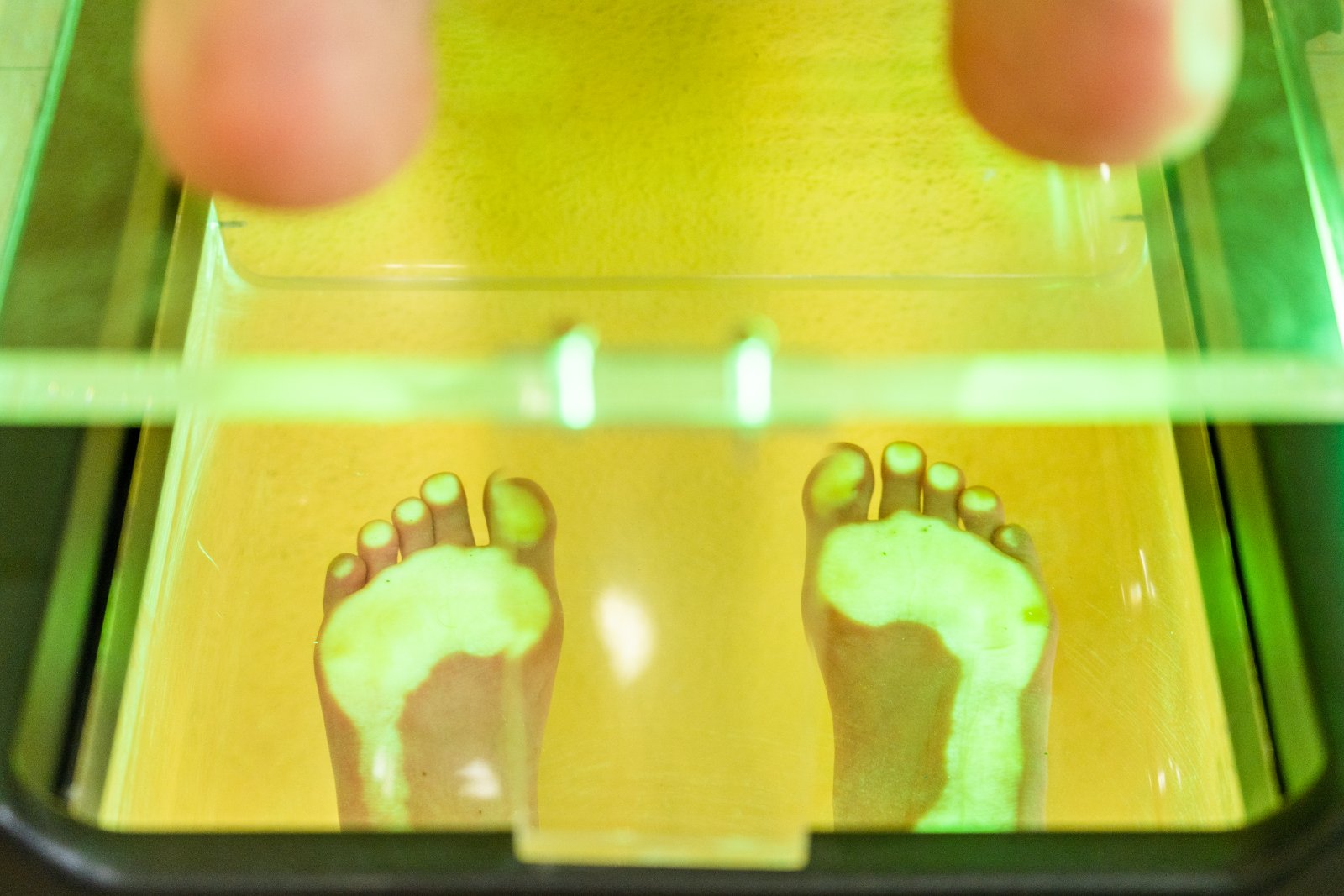
Foot pressure analysis is a simple, painless test that measures how your body weight is distributed across the soles of your feet while you stand and walk. It shows exactly where pressure is too high and how your gait and arches are loading the heel.
By mapping these pressure points, the test reveals the mechanical reason a heel is being overloaded - something you cannot see by looking at the foot. It turns "my heel hurts" into a clear picture of why it hurts.
How does foot pressure analysis find the cause of heel pain?
Foot pressure analysis finds the cause by showing where load concentrates and how your foot moves through each step. High pressure under the heel, an uneven gait, or a collapsed or high arch all appear on the map, pointing to the true driver of the pain.
- Standing scan - shows how weight is shared between both feet and where it peaks.
- Walking scan - captures pressure through the whole step, from heel strike to toe-off.
- Gait review - identifies abnormal movement patterns overloading the heel.
- Report - guides a targeted plan, such as custom insoles that offload the painful area.
Related assessments such as gait analysis and a Harris mat print may be used alongside it. All of this is part of a full foot assessment and diagnostics.
How is heel pain treated once the cause is found?
Once the cause is found, heel pain is treated by correcting the mechanics, not just numbing the pain. For most people this means stretching, supportive footwear, and custom insoles that offload the heel - a plan shaped by the pressure analysis.
Treatment often includes calf and plantar-fascia stretches, activity changes, and custom insoles or offloading footwear to relieve the high-pressure area. Because it targets the root cause, this approach relieves pain and reduces the chance it comes back - unlike painkillers alone.
Is morning heel pain more serious for people with diabetes?
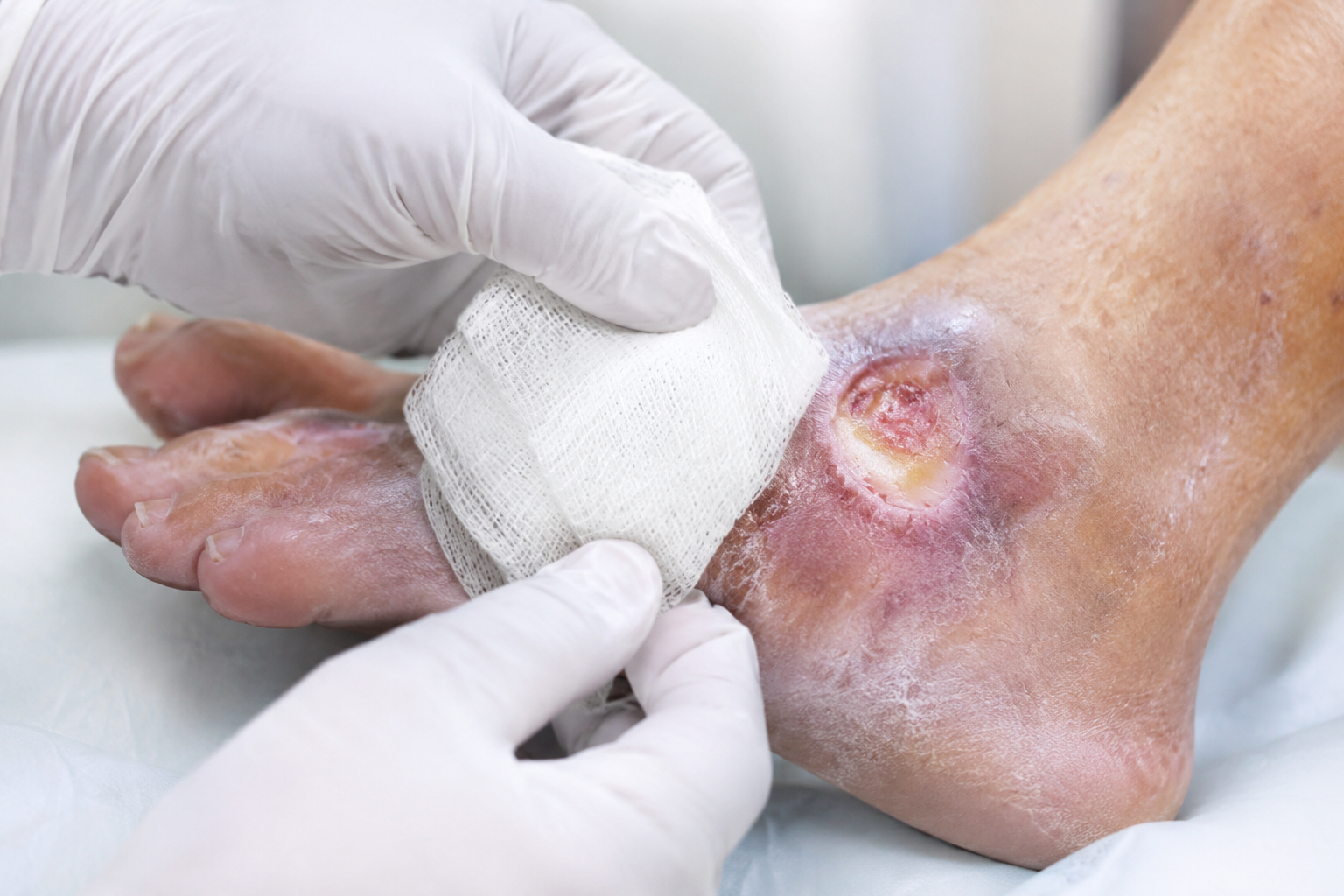
Yes, morning heel pain deserves extra caution in people with diabetes, because the heel is a high-risk area for pressure damage and ulcers. Nerve damage can also change how pain feels, so any heel symptom in a diabetic foot should be assessed rather than self-treated.
In diabetes, abnormal heel pressure is not only painful - it can lead to skin breakdown on a foot that may not feel a developing wound. Foot pressure analysis is especially valuable here, because relieving that pressure protects the skin as well as easing the pain. Learn more about diabetic neuropathy and the feet.
When should you see a specialist for heel pain?
See a specialist if heel pain lasts more than a couple of weeks, keeps returning, or is not improving with rest and supportive shoes - and sooner if you have diabetes. Pain that is severe, follows an injury, or comes with numbness, swelling, redness, or a wound needs prompt assessment.
- Heel pain lasting more than two weeks or recurring often.
- Pain that needs daily painkillers to manage.
- Any numbness, tingling, swelling, redness, or skin change.
- You have diabetes, neuropathy, or a previous foot ulcer.
Heel pain & foot pressure analysis at Elegance Diabetic Foot & Ulcer Clinic
At Elegance Diabetic Foot & Ulcer Clinic in Surat, led by Dr. Ashutosh Shah, heel pain is investigated to find its real cause - not just medicated. The team uses foot pressure analysis and gait assessment to map the problem, then relieves it with targeted stretching, custom insoles, and offloading. For people with diabetes, this also protects a high-risk heel from pressure damage. If your heel pain keeps returning, an assessment is the way to lasting relief.
Stop masking heel pain - find the cause
If you wake up to heel pain every morning, a foot pressure analysis can reveal why and guide lasting relief. Book a heel pain and pressure assessment with Elegance Diabetic Foot & Ulcer Clinic, or send a photo or message on WhatsApp for quick guidance on your next step.
This article is for general education only and is not a substitute for professional medical advice, diagnosis, or treatment. Please consult Dr. Ashutosh Shah or a qualified specialist about your individual condition.
quiz Frequently Asked Questions
This article is general education, not a diagnosis. If you have a diabetic foot wound, please have it assessed in person. Send a photo on WhatsApp or book a consultation.
About the Author

Dr. Ashutosh Shah, Plastic, Reconstructive & Diabetic Foot Surgeon, Elegance Diabetic Foot & Ulcer Clinic, Surat
Dr. Ashutosh Shah is a board certified plastic and reconstructive surgeon with over 22 years of experience and more than 10,000 limbs and feet saved. He founded Elegance Diabetic Foot & Ulcer Clinic, India's first chain of clinics dedicated to foot care, with centres in Surat and OPD partners across South Gujarat. He is known for a limb first approach, safe wound care and ethical, natural results.