Written by Dr. Ashutosh Shah, Plastic & Microvascular Surgeon - Foot, Ankle & Limb Salvage Specialist, Elegance Diabetic Foot & Ulcer Clinic (EDFC). Practising since 2004 (22+ years). Read full bio.
Medically reviewed by Dr. Ashutosh Shah · Published 31 July 2026 · Last reviewed 31 July 2026.
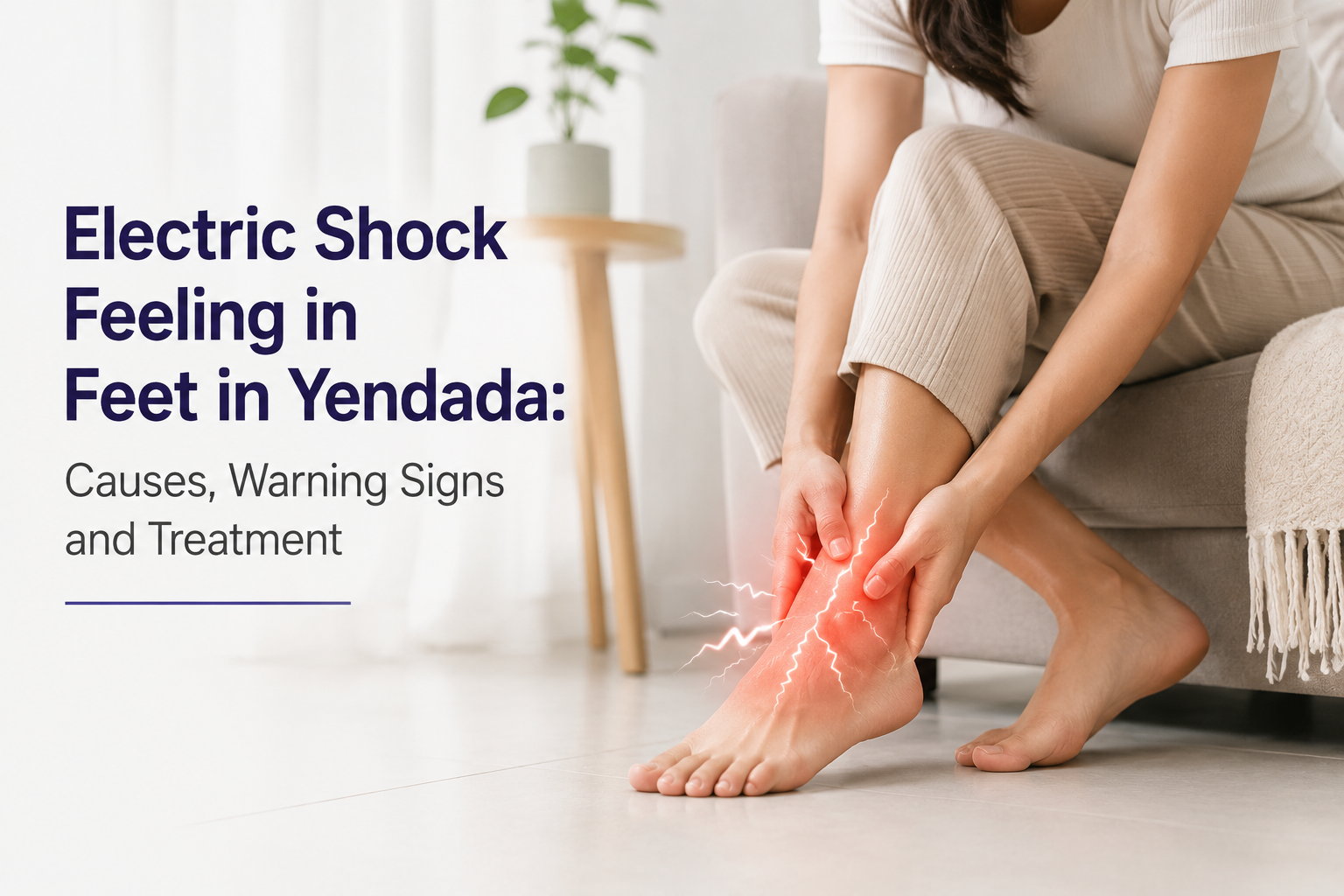
An electric shock feeling in feet in Yendada may occur suddenly, last for a few seconds or repeatedly disturb your sleep at night. This unusual sensation may be associated with nerve irritation, peripheral neuropathy, diabetes or another underlying medical condition.
Some people describe the sensation as an electrical jolt passing through the toes or soles. Others experience it with burning, tingling, pins and needles or numbness. Although diabetes is an important possible cause, not every shock-like sensation is diabetic neuropathy.
If you repeatedly experience an electric shock feeling in feet in Yendada, particularly with diabetes, numbness, weakness or a foot wound, an early medical assessment can help identify the cause and prevent complications.
Why Do the Feet Feel Like They Are Receiving Electric Shocks?
Shock-like foot pain is usually a form of neuropathic pain. It develops when a damaged, compressed or irritated nerve sends abnormal signals to the brain.
Unlike pain caused by a muscle strain or minor injury, nerve pain may feel like:
- Sudden electrical jolts
- Burning or stabbing pain
- Pins and needles
- Crawling sensations
- Increased sensitivity to socks or bedsheets
- Numbness between episodes of pain
- Shooting pain extending into the toes or legs
These sensations may remain constant or come and go. They may affect one foot or both feet and can sometimes become more noticeable at night.
What Causes an Electric Shock Feeling in Feet in Yendada?
An electric shock feeling in feet in Yendada can have several possible causes. The location, timing and pattern of the sensation provide useful clues, but a medical examination is needed to confirm the diagnosis.
Diabetic peripheral neuropathy
Diabetic peripheral neuropathy is one of the most important causes to investigate. Persistently high blood sugar can gradually damage the nerves and the small blood vessels supplying them.
Diabetic neuropathy usually starts in the toes and feet. It often affects both sides and may cause:
- Electric or shooting pain
- Burning feet
- Tingling in the toes
- Reduced ability to feel heat or cold
- Numbness
- Pain from very light touch
- Foot or leg weakness
- Problems with balance
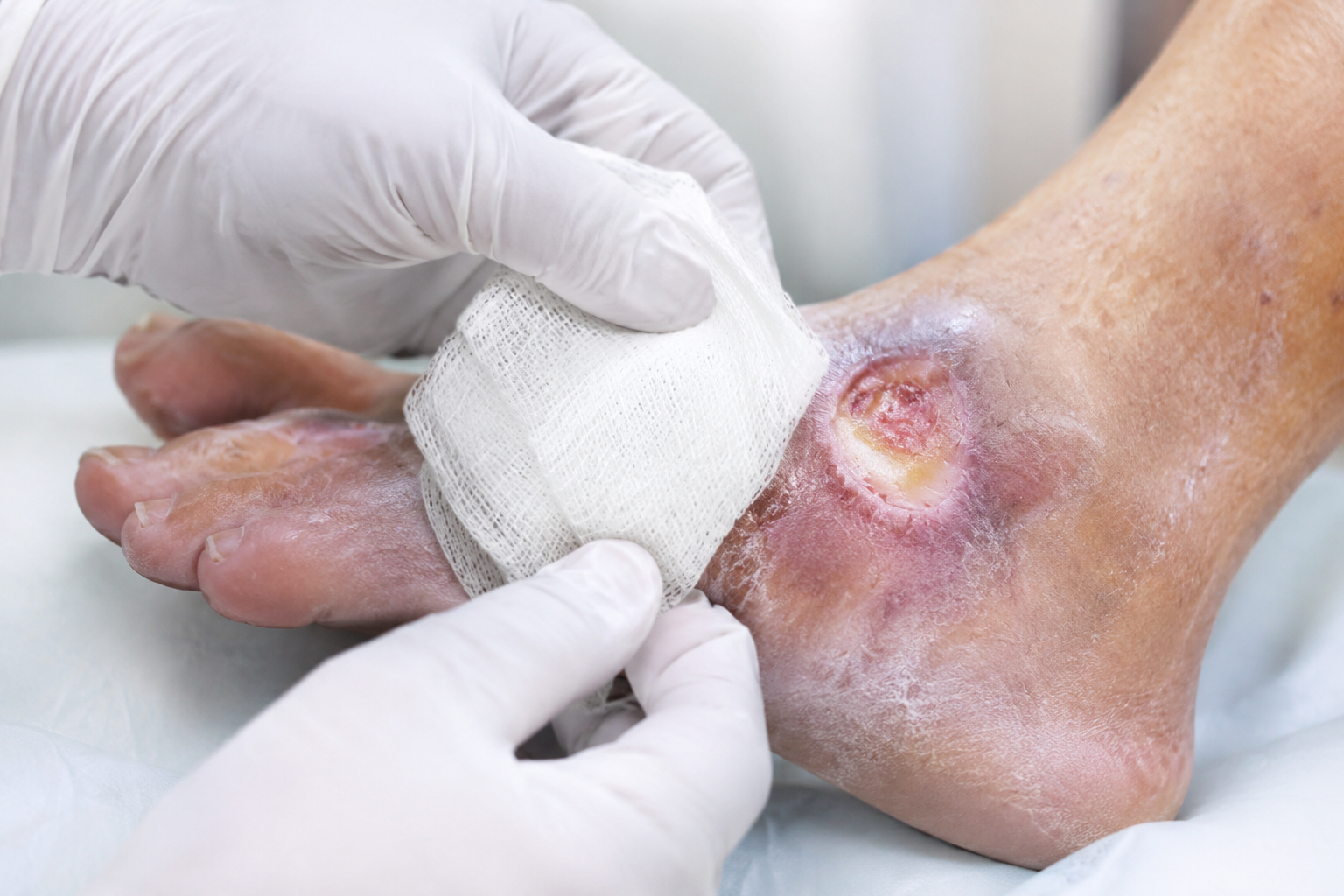
A person with reduced sensation may not notice a blister, shoe bite, cut or burn. This allows a minor injury to progress into an ulcer or infection.
However, having diabetes does not automatically mean that every unusual foot sensation is diabetic neuropathy. Other possible causes must also be considered.
Vitamin B12 deficiency
Vitamin B12 is important for healthy nerve function. A deficiency may cause tingling, numbness, weakness or shock-like sensations in the feet and hands.
Nerve compression
A nerve may become compressed in the lower back, leg, ankle or foot. Pain that begins in the lower back and travels down one leg may be associated with sciatica or another spinal nerve problem.
Morton’s neuroma
Morton’s neuroma involves irritation of a nerve near the ball of the foot. It may cause burning, tingling or electric pain that extends into the toes.
Thyroid or kidney disorders
Certain thyroid and kidney conditions can affect nerve health and contribute to peripheral neuropathy.
Medicines and medical treatments
Some medicines, including certain chemotherapy drugs, may damage peripheral nerves. A doctor should review the patient’s complete medication history.
Alcohol-related nerve damage
Long-term or excessive alcohol consumption may affect the nerves directly and can also contribute to nutritional deficiencies.
Footwear pressure or previous injury
Tight shoes, repeated pressure, an old ankle injury or direct trauma to a nerve may produce localised shock-like pain.
Other causes
Additional causes may include shingles, autoimmune conditions, infections and peripheral neuropathy for which no definite cause can initially be identified.
What Does the Pattern of Your Symptoms Suggest?
| Symptom pattern | Possible explanation |
|---|---|
| Both feet affected, beginning in the toes | Peripheral neuropathy |
| Symptoms becoming worse at night | Diabetic or another peripheral neuropathy |
| Pain travelling from the lower back into one leg | Sciatica or spinal nerve compression |
| Pain between the toes or around the ball of the foot | Morton’s neuroma |
| Pain beginning after an ankle or foot injury | Local nerve irritation |
| Tingling associated with nutritional deficiency | Vitamin B12 or another deficiency |
| Pain with weakness or difficulty lifting the foot | Motor nerve involvement |
| Sudden pain with redness, warmth or swelling | Infection, injury or inflammation |
This table provides general guidance only. The symptom pattern cannot confirm the underlying condition.
What Should You Observe Before Visiting a Doctor?
Before your appointment, pay attention to when and how the electric sensation occurs. Consider the following questions:
- Does it affect one foot or both feet?
- Did it begin suddenly or gradually?
- Is it worse at night?
- Does it begin in the toes and travel upwards?
- Do you also experience burning, numbness or weakness?
- Do socks or bedsheets feel unusually painful?
- Do you have diabetes, thyroid disease or kidney disease?
- Have you recently started a new medicine?
- Is there a blister, callus, cut, crack or wound?
- Do you have lower-back pain that travels down the leg?
- Is the sensation affecting your walking or balance?
Do not prick, heat or strongly massage a numb foot to test its sensation. You may injure the skin without immediately noticing it.
When Does an Electric Shock Feeling Need Urgent Attention?
Arrange a medical assessment if the shock-like sensation is persistent, increasing, disturbing sleep or affecting your ability to walk.
Seek urgent medical attention if it occurs with:
- New weakness in the foot or leg
- Loss of balance or repeated falls
- Rapidly spreading numbness
- Difficulty lifting the front of the foot
- Severe lower-back pain with bladder or bowel changes
- A cold, pale, blue or black toe
- Sudden redness, warmth or swelling
- Pus, discharge or an unpleasant smell
- Fever associated with a foot wound
- A blister, cut or ulcer in a person with diabetes
People with neuropathy may not feel the true severity of a foot injury. Reduced sensation can allow an unnoticed wound to progress into a serious infection.
How Is the Cause Diagnosed?
Diagnosing an electric shock feeling in feet in Yendada begins with a detailed medical history and examination of both feet. Even if symptoms affect only one foot, comparing both sides can reveal important differences.
Sensation testing
The doctor may assess whether you can feel light touch, pressure, vibration, pain and changes in temperature.
Muscle and reflex examination
Muscle strength, ankle reflexes, balance and walking pattern may be checked to determine whether motor nerves are involved.
Circulation assessment
Foot pulses, skin colour, temperature and capillary refill may be examined. Nerve damage and poor circulation can occur together, especially in people with diabetes.
Skin and footwear examination
Both feet may be checked for:
- Pressure points
- Calluses
- Blisters
- Cracks
- Fungal infections
- Foot deformities
- Hidden wounds
- Signs of unsuitable footwear
Blood investigations
Depending on the symptoms and medical history, investigations may include:
- Fasting blood sugar
- Post-meal blood sugar
- HbA1c
- Vitamin B12
- Thyroid function
- Kidney function
- Liver function
- Additional tests based on clinical findings
Nerve conduction studies
A nerve conduction study measures the speed and strength of electrical signals travelling through the nerves. Electromyography may also be advised when muscle or motor-nerve involvement is suspected.
Imaging
Imaging of the spine, ankle or foot may be required when the examination suggests nerve compression, a structural condition or a previous injury.
Can Electric Shock Sensations in the Feet Be Treated?
Yes, but treatment depends on the underlying cause. General painkillers may not provide adequate relief because nerve pain behaves differently from ordinary muscle or inflammatory pain.
A personalised treatment plan may include:
- Improved blood sugar management
- Correction of vitamin deficiencies
- Review of medicines that may affect the nerves
- Prescription treatment for neuropathic pain
- Physiotherapy for weakness or balance problems
- Treatment for a compressed nerve
- Pressure-relieving footwear
- Customised insoles
- Wound care for blisters or ulcers
- Treatment for infection when required
Neuropathic pain medicines should only be taken under medical supervision. The appropriate medicine and dose depend on age, kidney function, other medications and associated health conditions.
What Can You Safely Do at Home?
Home care can help protect your feet, but it does not replace a proper diagnosis.
- Inspect the tops, soles and spaces between your toes every day.
- Use a mirror if you cannot see the soles clearly.
- Wash your feet using lukewarm—not hot—water.
- Dry carefully, particularly between the toes.
- Apply moisturiser to dry skin, but not between the toes.
- Wear clean socks and properly fitting footwear.
- Check inside your shoes before putting them on.
- Avoid walking barefoot, including inside the house.
- Do not use heating pads or hot-water bottles on numb feet.
- Do not cut corns or calluses at home.
- Keep diabetes, blood pressure and cholesterol controlled.
- Avoid smoking and excessive alcohol consumption.
Daily foot inspection is especially important when nerve damage reduces your ability to feel pressure, temperature changes or injuries.
Why Should People With Diabetes Not Ignore This Symptom?
Shock-like pain can sometimes be an early warning of nerve irritation. As neuropathy progresses, pain may gradually be replaced by numbness. This does not necessarily mean that the condition has improved.
A numb foot can develop:
- Unnoticed shoe bites
- Pressure calluses
- Cuts and blisters
- Heat-related burns
- Skin cracks and infections
- Non-healing ulcers
- Walking and balance problems
- Changes in the shape of the foot
Early assessment provides an opportunity to protect the foot before sensation reduces further.
Treatment for Electric Shock Feeling in Feet in Yendada
If you live in Yendada and repeatedly experience electrical, burning or shooting sensations in your feet, do not assume that it is simply caused by tiredness or ageing.
A comprehensive foot and nerve assessment can help determine whether the problem is related to diabetes, a vitamin deficiency, nerve compression, footwear pressure or another medical condition.
Elegance Diabetic Foot & Ulcer Clinic (EDFC), led by Dr. Ashutosh Shah, provides specialist assessment and treatment for:
- Diabetic peripheral neuropathy
- Burning and numb feet
- High-risk diabetic feet
- Non-healing foot wounds
- Foot ulcers and infections
- Foot deformities
- Limb-threatening complications
EDFC is expanding its specialist diabetic-foot services in Andhra Pradesh, with a Centre of Excellence announced for Vizianagaram.
If a wound, blister, swelling or colour change is present, arrange an in-person assessment promptly rather than relying only on a photograph or home treatment.
Follow EDFC on Facebook, Instagram, and YouTube for foot and ankle care guidance.
Conclusion
An electric shock feeling in feet in Yendada should not be ignored, especially when it repeatedly occurs with burning, numbness, weakness, diabetes or a foot wound. It may be an early sign of peripheral neuropathy, nerve compression, vitamin deficiency or another condition requiring medical attention.
Early diagnosis can help control the underlying cause, relieve symptoms and prevent complications such as unnoticed injuries, non-healing ulcers and serious foot infections.
Book a Foot Assessment with EDFC
Experiencing electric shocks, burning, tingling or numbness in your feet? Get your condition assessed by Dr. Ashutosh Shah and the specialist team at Elegance Diabetic Foot & Ulcer Clinic (EDFC).
Experiencing an electric shock feeling in feet in Yendada, along with burning, tingling, numbness or weakness? Schedule a consultation with Dr. Ashutosh Shah and the specialist team at Elegance Diabetic Foot & Ulcer Clinic (EDFC) for a detailed foot and nerve assessment.
Early evaluation can help identify the cause, relieve symptoms and prevent complications such as unnoticed injuries, ulcers and infections.
Schedule a Consultation | Send Your Foot Photo on Whatsapp
Medical disclaimer: This article provides general educational information and is not a diagnosis or substitute for an in-person medical consultation. Seek urgent medical care for sudden weakness, rapidly increasing numbness, severe swelling, skin discolouration or an infected foot wound.
quiz Frequently Asked Questions
This article is general education, not a diagnosis. If you have a diabetic foot wound, please have it assessed in person. Send a photo on WhatsApp or book a consultation.
About the Author

Dr. Ashutosh Shah, Plastic, Reconstructive & Diabetic Foot Surgeon, Elegance Diabetic Foot & Ulcer Clinic, Surat
Dr. Ashutosh Shah is a board certified plastic and reconstructive surgeon with over 22 years of experience and more than 10,000 limbs and feet saved. He founded Elegance Diabetic Foot & Ulcer Clinic, India's first chain of clinics dedicated to foot care, with centres in Surat and OPD partners across South Gujarat. He is known for a limb first approach, safe wound care and ethical, natural results.