A diabetic foot check-up, also called diabetic foot screening, is a quick, painless examination that finds early foot problems before they become dangerous. In diabetes, even a small cut or wound can turn into a serious ulcer or infection, so regular screening of sensation, blood flow, and pressure is the best way to protect the foot.
In diabetes, a tiny wound you cannot even feel can lead to a serious ulcer or amputation. This guide explains why small foot wounds are so dangerous, what a diabetic foot check-up includes, how often you need one, and where to get expert screening near you.
Why is a small foot wound dangerous in diabetes?
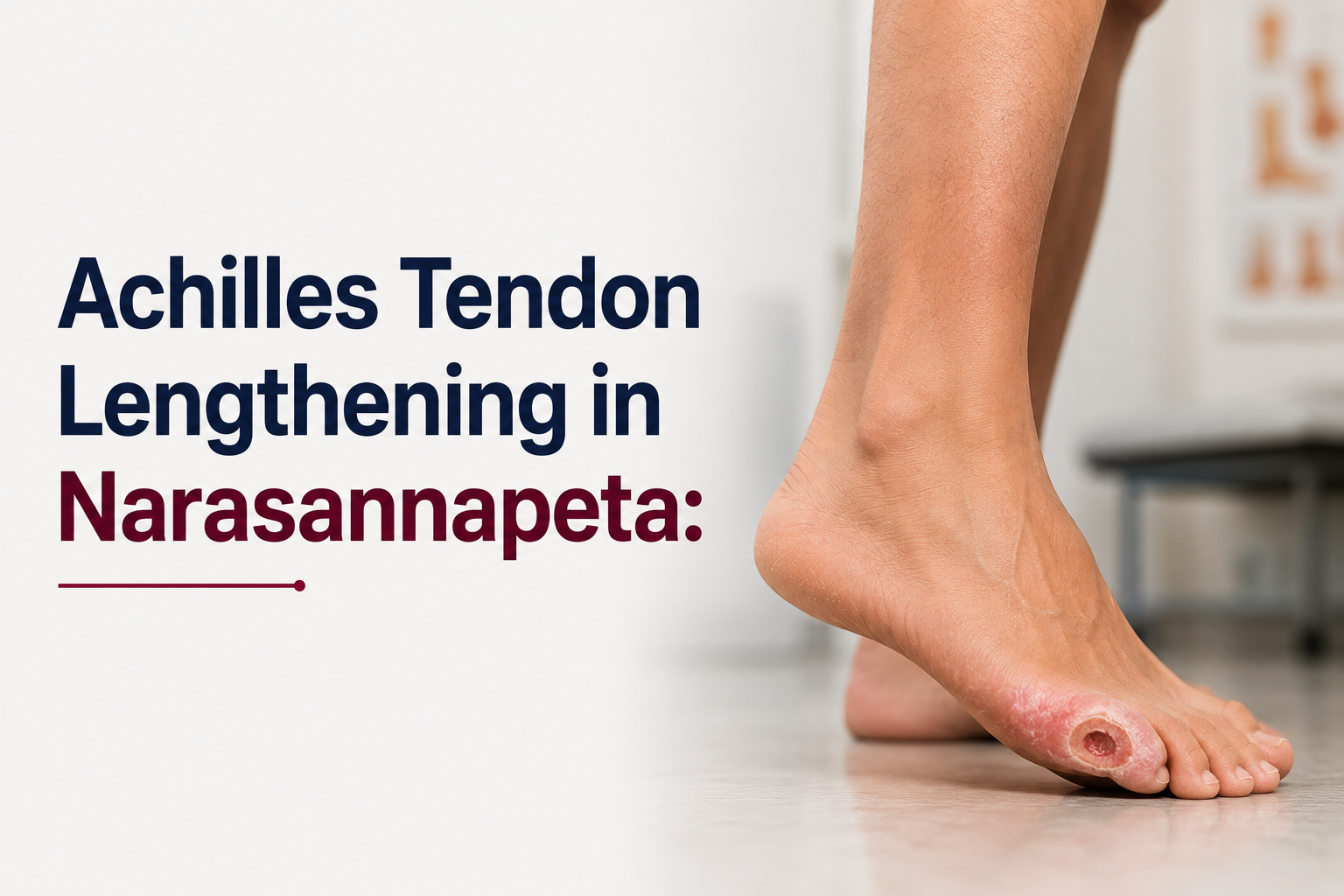
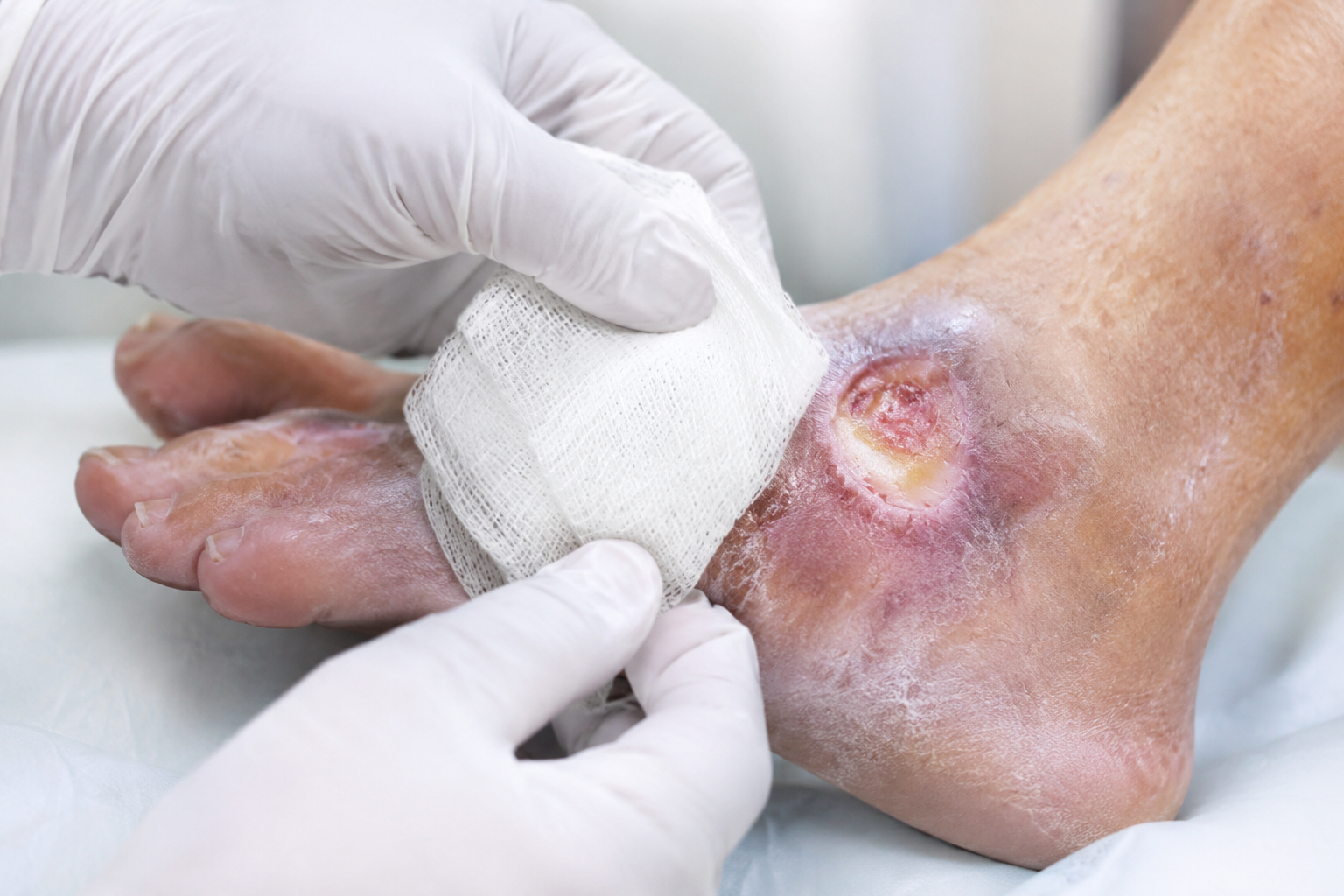
A small foot wound is dangerous in diabetes because nerve damage often means you cannot feel it, so it goes unnoticed while it grows and gets infected. Poor circulation then slows healing, and a minor cut can quickly become a deep ulcer.
This is why a wound that would be harmless for most people can threaten the foot of someone with diabetes. Catching it early with a check-up, before it turns into an ulcer, is the single best way to stay safe.
What is a diabetic foot check-up (screening)?
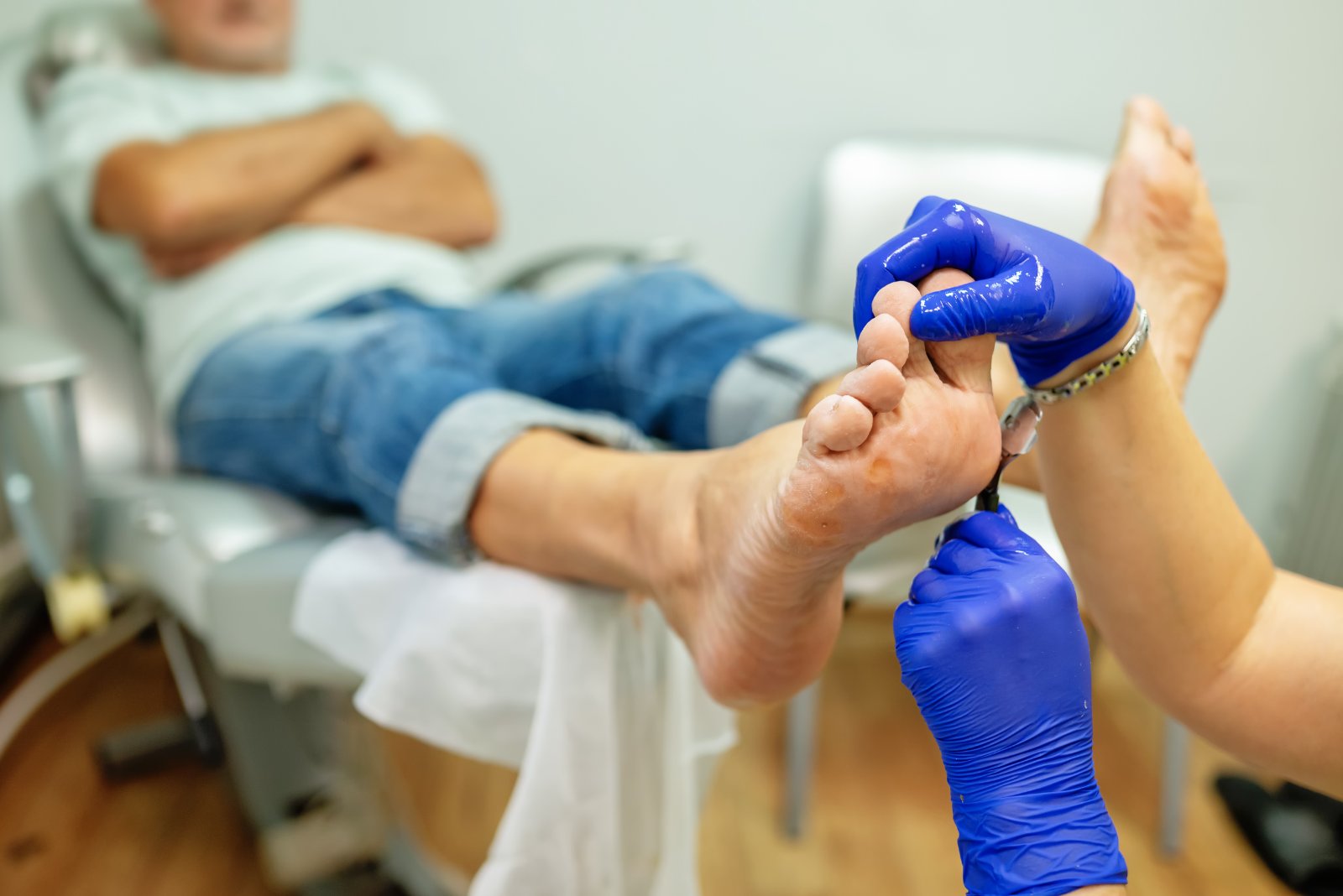
A diabetic foot check-up is a simple, painless examination of your feet that looks for the early warning signs of trouble, before they cause a wound. It checks how well you can feel your feet, how good the blood flow is, and whether there are pressure points or skin changes.
Also known as diabetic foot screening or a diabetic foot assessment, it takes only a few minutes and needs no preparation. It is a core part of assessment and diagnostics for anyone living with diabetes.
What does a diabetic foot check-up include?
A diabetic foot check-up looks at sensation, circulation, pressure, and the skin and shape of the foot. Together these show your risk and catch problems early. The table below shows the main parts.
| Check | What it tests |
|---|---|
| Sensation test (monofilament) | Whether you can feel touch, to detect nerve damage |
| Neuropathy assessment | Vibration and reflexes for early nerve damage |
| Vascular doppler test / ABI | Blood flow and circulation to the feet |
| Pedobarogram (pressure mapping) | High-pressure areas at risk of ulcers |
| Skin and deformity check | Cuts, cracks, calluses, colour, and foot shape |
How often should diabetics get a foot check-up?
Every person with diabetes should have a foot check-up at least once a year, and more often if they are at higher risk. People with nerve damage, poor circulation, foot deformity, or a past ulcer may need screening every few months.
Between professional check-ups, you should also examine your own feet every day. Regular screening lets a specialist catch changes early and adjust your care before a wound has a chance to form.
Who needs diabetic foot screening?
Everyone with diabetes needs foot screening, but it is most urgent for those at higher risk of foot problems. The more risk factors you have, the more often you should be checked.
- Anyone with type 1 or type 2 diabetes, at least once a year.
- People with neuropathy or numb feet.
- Those with poor circulation or a previous foot ulcer.
- Feet with deformity, calluses, or high-pressure areas.
- Anyone who has noticed a cut, blister, or change that will not heal.
What are the early signs of a diabetic foot problem?
The early signs of a diabetic foot problem are often small and painless, which is exactly why they are missed without a check-up. Report any of these to a specialist quickly.
- Numbness, tingling, or burning in the feet.
- A cut, blister, or crack that is slow to heal.
- Redness, swelling, or warmth in one area.
- Thick calluses or a change in foot shape.
- Colour changes, or any wound with discharge or a smell.
How does an early check-up prevent amputation?
An early check-up prevents amputation by finding problems while they are still easy to treat, long before they become a deep, infected ulcer. Most amputations begin with a small wound that was not caught in time.
By identifying loss of sensation, poor blood flow, or high-pressure areas early, screening lets the team protect the foot with the right footwear, care, and treatment. Early detection is the most important factor in preventing diabetic foot amputation.
What happens if a problem is found?
If a check-up finds a problem, the specialist explains it and starts the right care straight away, which may be as simple as protective footwear or as focused as treating a wound. The aim is always to act before the foot is at serious risk.
Depending on the finding, this can include offloading footwear, callus care, better blood sugar control, treating an infection, or a plan to heal an early ulcer. Catching it at the check-up stage keeps that treatment simple.
Where can you get a diabetic foot check-up near you?
A diabetic foot check-up is available at Elegance Diabetic Foot & Ulcer Clinic in Surat, with OPD centres in Adajan and Vesu and patients coming from across India. An expert doctor performs the screening and explains your foot health and risk clearly.
The clinic also runs free foot check-up camps to help more people catch problems early. You can find center details and upcoming camps on the OPD centers page and book the location most convenient for you.
Diabetic foot check-up at Elegance Diabetic Foot & Ulcer Clinic, Surat
At Elegance Diabetic Foot & Ulcer Clinic in Surat, led by Dr. Ashutosh Shah, diabetic foot screening is treated as the first and most important step in saving feet. The team checks sensation, circulation, and pressure, maps the foot, and catches problems before they become ulcers. For anyone with diabetes, a simple check-up now is far easier than treating a wound later.
Book a diabetic foot check-up in Surat
If you have diabetes, a simple foot check-up could save your foot. Book a diabetic foot check-up with Elegance Diabetic Foot & Ulcer Clinic in Surat, or send a photo of any foot concern on WhatsApp for quick guidance on your next step.
This article is for general education only and is not a substitute for professional medical advice, diagnosis, or treatment. Please consult Dr. Ashutosh Shah or a qualified specialist about your individual condition.
quiz Frequently Asked Questions
This article is general education, not a diagnosis. If you have a diabetic foot wound, please have it assessed in person. Send a photo on WhatsApp or book a consultation.
About the Author

Dr. Ashutosh Shah, Plastic, Reconstructive & Diabetic Foot Surgeon, Elegance Diabetic Foot & Ulcer Clinic, Surat
Dr. Ashutosh Shah is a board certified plastic and reconstructive surgeon with over 22 years of experience and more than 10,000 limbs and feet saved. He founded Elegance Diabetic Foot & Ulcer Clinic, India's first chain of clinics dedicated to foot care, with centres in Surat and OPD partners across South Gujarat. He is known for a limb first approach, safe wound care and ethical, natural results.