Diabetic foot care in the monsoon means keeping feet clean and dry, never walking barefoot in rainwater, changing wet socks and shoes promptly, drying between the toes to prevent fungal infection, and checking feet daily. In the rainy season, small cuts and infections spread fast on a numb foot, so early care is vital.
The monsoon is one of the riskiest times of year for diabetic feet. Damp shoes, dirty water, and hidden cuts can quickly turn into infections and ulcers. This guide covers the 5 common mistakes to avoid and how to protect your feet through the rainy season.
Why is the monsoon risky for diabetic feet?
The monsoon is risky for diabetic feet because constant moisture, dirty rainwater, and damp footwear create the perfect conditions for infection. Diabetic nerve damage means you may not feel a cut, blister, or fungal rash starting, so problems grow unnoticed.
Wet skin also softens and breaks down more easily, and floodwater can carry bacteria straight into a small wound. Combined with the slower healing that diabetes causes, this makes the rainy season a peak time for diabetic foot ulcers and infections.
What are the 5 diabetic foot care mistakes to avoid in monsoon?
The five most common and dangerous monsoon foot care mistakes for diabetics are simple to fix once you know them. The table below shows each mistake and what to do instead.
| Mistake | Do this instead |
|---|---|
| Walking barefoot in rainwater or floodwater | Always wear closed, water-resistant footwear outdoors |
| Wearing wet socks and shoes for hours | Change into dry socks and shoes as soon as possible |
| Leaving feet damp, especially between the toes | Dry feet fully, including between the toes, every time |
| Ignoring small cuts, itching, or a fungal rash | Treat and check them early; see a specialist if unsure |
| Skipping the daily foot check in busy weather | Inspect both feet every day, using a mirror or help |
How should diabetics care for their feet in the rainy season?
Diabetics should keep their feet clean, dry, and protected throughout the monsoon, and check them every day. A short daily routine prevents most rainy-season foot problems.
- Keep feet dry - dry thoroughly after any exposure to rain, especially between the toes.
- Wear the right footwear - closed, quick-drying, well-fitting shoes with dry socks.
- Never walk barefoot, indoors or outdoors, even at home on wet floors.
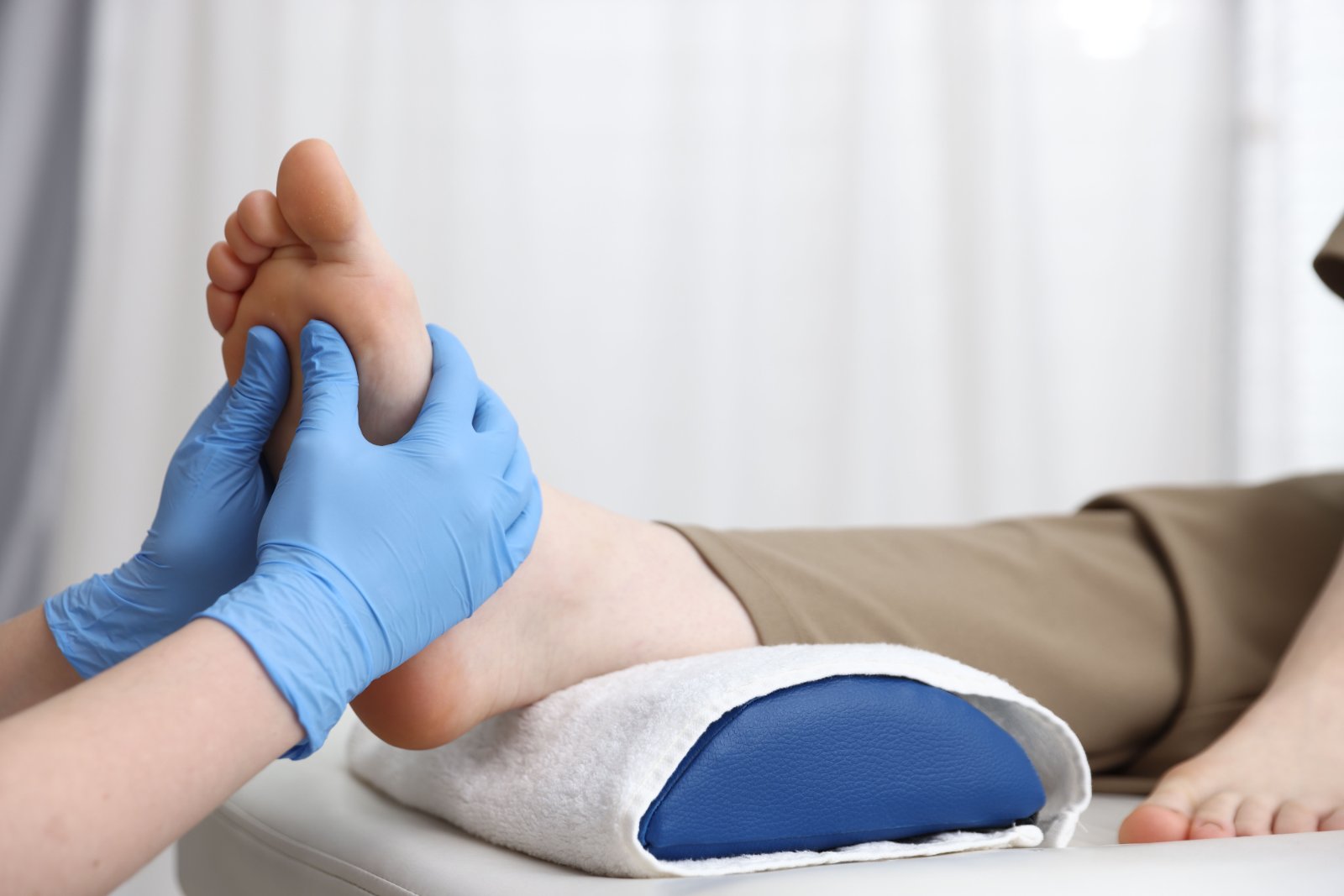
- Check feet daily for cuts, blisters, redness, itching, or peeling skin.
- Moisturise dry areas but never between the toes.
- Keep blood sugar controlled to protect healing and immunity.
Why do fungal infections increase in the monsoon?
Fungal infections increase in the monsoon because fungus thrives in the warm, damp environment created by wet feet and closed footwear. The skin between the toes stays moist, letting infections like athlete's foot take hold.
On a diabetic foot, a fungal infection is more than an itch - the cracked, broken skin it causes can become an entry point for bacteria and a serious diabetic foot infection. Drying the feet well and treating any rash early is the best prevention.
What footwear is best for diabetics in the monsoon?
The best monsoon footwear for diabetics is closed, quick-drying, and well-fitting, worn with clean dry socks and changed as soon as it gets wet. Avoid tight plastic shoes that trap sweat and open slippers that expose the feet to dirty water.
Keep a spare pair of dry shoes and socks for when the first pair gets soaked, and check inside footwear for grit or dampness before wearing. Protective, well-fitting diabetic footwear lowers the risk of both injury and infection.
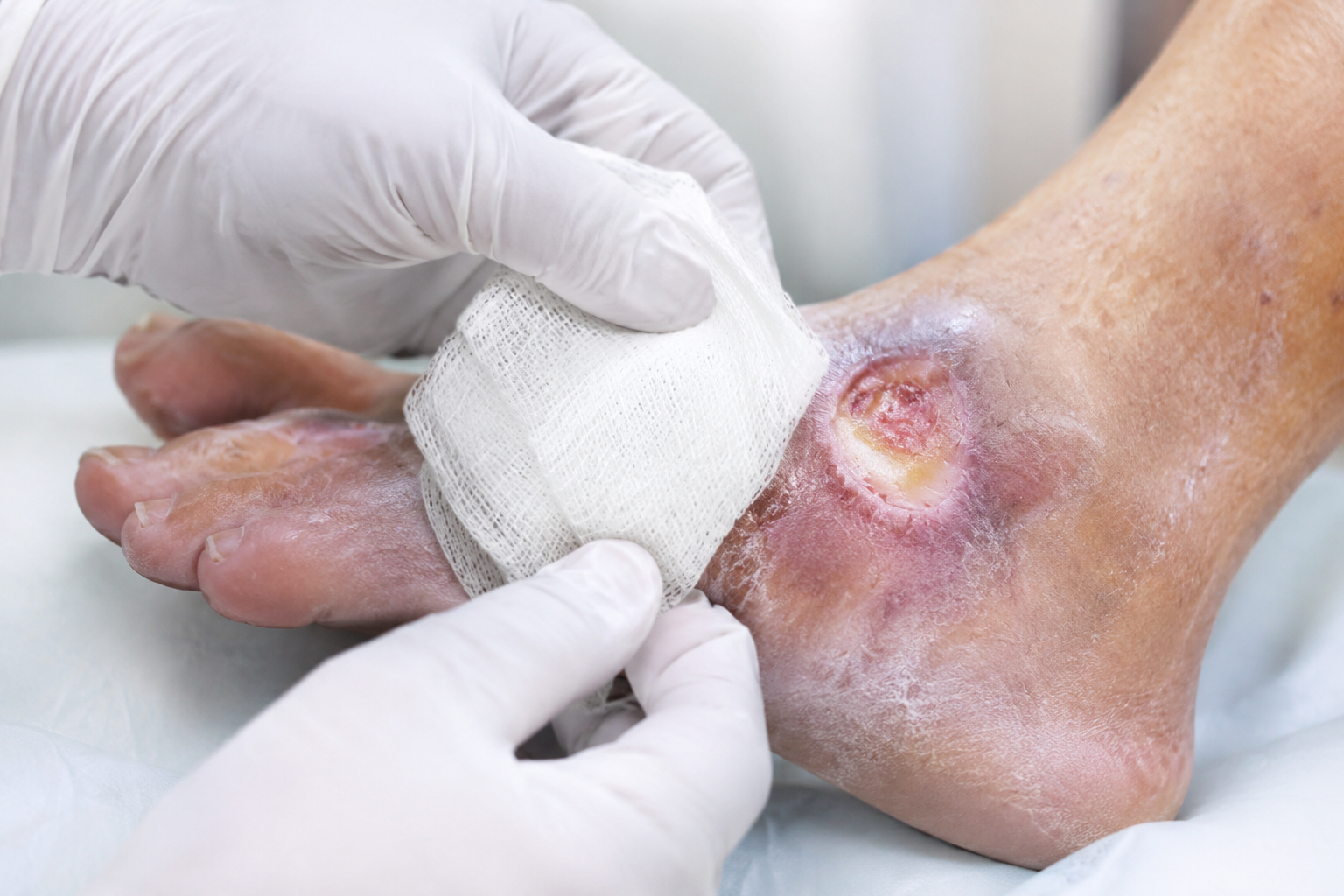
What are the warning signs of a diabetic foot infection?
Warning signs of a diabetic foot infection include redness, swelling, warmth, pus, a bad smell, or a wound that will not heal - and sometimes fever. In the monsoon these can appear quickly, so act the same day if you notice any of them.
- Redness, swelling, or warmth spreading around a cut or the foot.
- Pus, discharge, or a bad smell from a wound.
- Itching, peeling, or cracked skin between the toes (fungal infection).
- Any wound, blister, or crack that is not healing.
- Dark or black skin, or increasing pain or new numbness.
How do you treat dry, cracked feet in the monsoon?
Dry, cracked feet are treated by cleaning gently, drying well, and moisturising the heels and soles - but never between the toes. In diabetics, cracks are an entry point for infection, so they should be watched closely during the damp monsoon.
Deep or painful cracks, or ones that show any sign of infection, need professional care rather than home remedies. A specialist can treat cracked heels and callus safely on a diabetic foot.
When should you see a specialist during the monsoon?
See a diabetic foot specialist the same day if you notice a non-healing wound, spreading redness, pus, blackened skin, or a fungal infection that is not settling. Early signs of a diabetic foot problem are easiest to treat when caught quickly.
Even without an obvious wound, get any new numbness, persistent itching, or a foot that looks or feels different checked. In the monsoon, acting early is the single biggest factor in preventing a small problem from becoming a serious one.
Monsoon foot care support at Elegance Diabetic Foot & Ulcer Clinic, Surat
At Elegance Diabetic Foot & Ulcer Clinic in Surat, led by Dr. Ashutosh Shah, patients are guided on protecting their feet through the monsoon and treated quickly for any infection, fungal problem, or wound. Through preventive foot care and rapid treatment of infections, the team helps diabetics avoid rainy-season ulcers and keep their feet healthy. If something looks wrong, an early check is always the safest choice.
Protect your feet this monsoon
If you have diabetes and notice any cut, fungal rash, or wound this monsoon, do not wait for it to worsen. Book a consultation with Elegance Diabetic Foot & Ulcer Clinic in Surat, or send a photo of your foot on WhatsApp for quick guidance on your next step.
This article is for general education only and is not a substitute for professional medical advice, diagnosis, or treatment. Please consult Dr. Ashutosh Shah or a qualified specialist about your individual condition.
quiz Frequently Asked Questions
This article is general education, not a diagnosis. If you have a diabetic foot wound, please have it assessed in person. Send a photo on WhatsApp or book a consultation.
About the Author

Dr. Ashutosh Shah, Plastic, Reconstructive & Diabetic Foot Surgeon, Elegance Diabetic Foot & Ulcer Clinic, Surat
Dr. Ashutosh Shah is a board certified plastic and reconstructive surgeon with over 22 years of experience and more than 10,000 limbs and feet saved. He founded Elegance Diabetic Foot & Ulcer Clinic, India's first chain of clinics dedicated to foot care, with centres in Surat and OPD partners across South Gujarat. He is known for a limb first approach, safe wound care and ethical, natural results.