Custom shoes for the diabetic foot are specially made footwear that removes pressure, friction, and injury risk from a numb or high-risk foot. The best diabetic footwear has a wide toe box, soft seam-free lining, cushioned offloading soles, and room for custom insoles - helping prevent ulcers, protect deformities, and keep diabetic feet safe.
For a foot that cannot feel pressure or injury, the right shoe is not a luxury - it is protection. This guide explains what custom diabetic shoes are, what makes the best diabetic footwear, and how a simple foot assessment decides which type you need.
What are custom shoes for the diabetic foot?
Custom shoes for the diabetic foot are footwear designed or built to fit a specific foot and reduce the pressure points that cause ulcers. Unlike ordinary shoes, they account for numbness, deformity, and high-pressure areas so the foot is protected with every step.
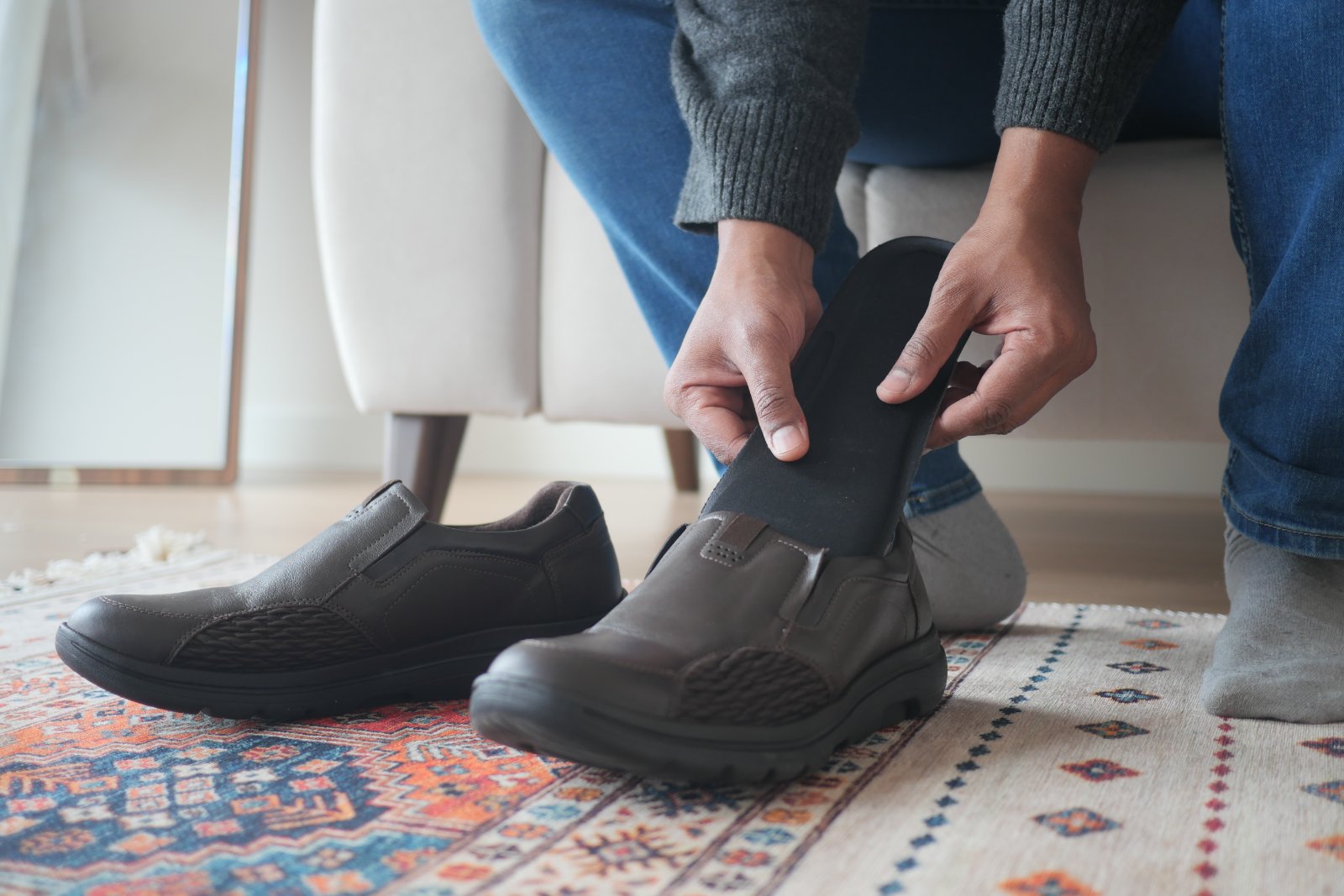
They range from ready-made therapeutic diabetic shoes to fully bespoke shoes moulded to a foot with severe deformity. Most are used together with custom insoles and offloading that spread weight away from at-risk spots.
Why do people with diabetes need special footwear?
People with diabetes need special footwear because nerve damage removes the pain that normally warns of injury, so a tight shoe, seam, or stone can cause a wound without being felt. Poor circulation then makes that wound slow to heal.
Most diabetic foot ulcers begin as pressure or friction from unsuitable shoes. Protective footwear removes that trigger, which is why it is one of the most effective ways to prevent diabetic foot ulcers, especially in people with neuropathy.
What makes the best shoes for diabetic feet?
The best shoes for diabetic feet reduce pressure and friction while giving the foot room and protection. Look for these core features, which matter far more than style or brand.
| Feature | Why it matters |
|---|---|
| Wide, deep toe box | Stops toes being squeezed; makes room for deformities |
| Seam-free soft lining | Prevents rubbing and pressure sores inside the shoe |
| Cushioned, offloading sole | Absorbs shock and spreads pressure off high-risk areas |
| Removable insole | Allows custom orthotics to be fitted |
| Adjustable fastening (Velcro/laces) | Gives a secure, adjustable fit for swelling |
| Protective, non-slip outsole | Guards against injury and reduces fall risk |
How does a foot assessment decide the right footwear?
A simple foot assessment decides the right footwear by measuring your risk - checking sensation, circulation, foot shape, and pressure points. This tells the specialist whether you need ordinary supportive shoes, ready-made diabetic shoes, or fully custom footwear.
During a diabetic foot assessment, the team tests for loss of sensation, checks pulses, looks for deformity, and maps where pressure is highest. A higher-risk foot - with neuropathy, deformity, or a past ulcer - needs more protective, often custom, footwear. This is how the right shoe is matched to the right foot.
Custom shoes vs regular shoes vs ready-made diabetic shoes
The right choice depends on your risk level. Low-risk feet may do well in good supportive shoes, while high-risk feet need custom footwear. The comparison below shows the difference.
| Type | Best for |
|---|---|
| Regular shoes | Not recommended for at-risk diabetic feet; often too narrow or seamed |
| Ready-made diabetic shoes | Low to moderate risk feet needing daily protection |
| Custom / bespoke shoes | Severe deformity, Charcot foot, or a history of ulcers or amputation |
Who needs custom diabetic shoes?
Custom diabetic shoes are recommended for anyone whose feet are at higher risk of breaking down. The more risk factors you have, the more important custom footwear becomes.
- People with a foot deformity, such as Charcot foot, bunions, hammer toes, or a high arch.
- Anyone with a current or previous diabetic foot ulcer.
- People with significant neuropathy (numb feet).
- Those who have had part of the foot or a toe amputated.
- Feet with recurring calluses over pressure points.
What should you look for when buying diabetic footwear?
When buying diabetic footwear, prioritise fit and protection over looks. Try shoes on later in the day when feet are largest, and always check both fit and the inside of the shoe.
- Ensure a snug but not tight fit, with wiggle room for the toes.
- Feel inside for seams, ridges, or rough spots before wearing.
- Wear them with seamless, soft diabetic socks.
- Break new shoes in gradually and check your feet afterward.
- Replace footwear once the cushioning or insole wears out.
How does custom footwear prevent diabetic foot ulcers?
Custom footwear prevents ulcers by removing the repeated pressure and friction that break down a numb foot. By spreading load evenly and accommodating deformities, it keeps skin intact where an ordinary shoe would cause a wound.
Combined with daily foot checks, good blood sugar control, and preventive foot care, the right shoes are one of the most powerful tools for keeping diabetic feet healthy and avoiding amputation.
Diabetic footwear at Elegance Diabetic Foot & Ulcer Clinic, Surat
At Elegance Diabetic Foot & Ulcer Clinic in Surat, led by Dr. Ashutosh Shah, footwear is prescribed after a proper foot assessment - not guessed. The team measures your risk, maps foot pressure, and fits therapeutic or custom shoes and insoles to match your foot, deformity, and history. For high-risk and previously ulcerated feet, this tailored footwear is a key part of keeping the foot whole for the long term.
Get the right footwear for your feet
If you have diabetes, the right shoes could be what protects your feet from an ulcer. Book a foot assessment and footwear fitting with Elegance Diabetic Foot & Ulcer Clinic in Surat, or send a photo of your feet on WhatsApp for quick guidance on your next step.
This article is for general education only and is not a substitute for professional medical advice, diagnosis, or treatment. Please consult Dr. Ashutosh Shah or a qualified specialist about your individual condition.
quiz Frequently Asked Questions
This article is general education, not a diagnosis. If you have a diabetic foot wound, please have it assessed in person. Send a photo on WhatsApp or book a consultation.
About the Author

Dr. Ashutosh Shah, Plastic, Reconstructive & Diabetic Foot Surgeon, Elegance Diabetic Foot & Ulcer Clinic, Surat
Dr. Ashutosh Shah is a board certified plastic and reconstructive surgeon with over 22 years of experience and more than 10,000 limbs and feet saved. He founded Elegance Diabetic Foot & Ulcer Clinic, India's first chain of clinics dedicated to foot care, with centres in Surat and OPD partners across South Gujarat. He is known for a limb first approach, safe wound care and ethical, natural results.