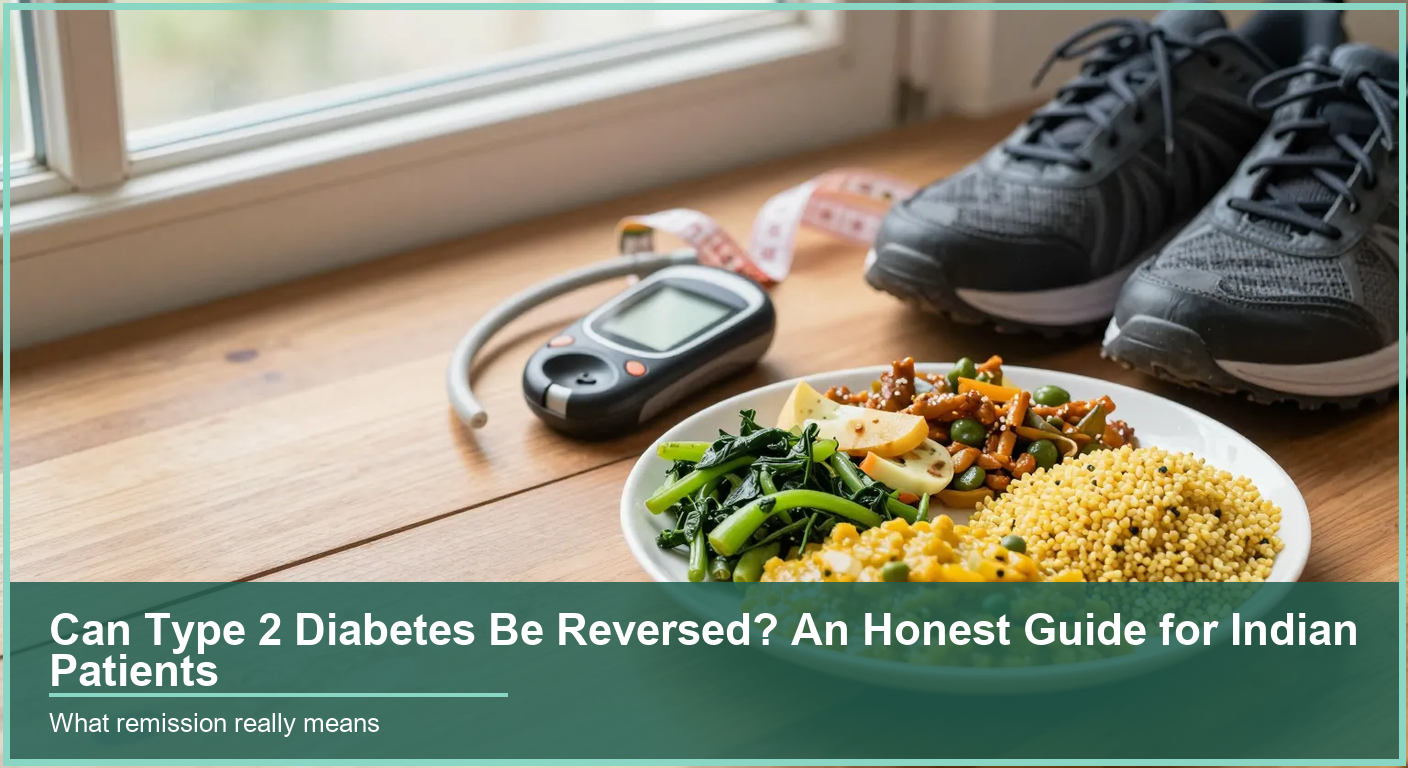
Can Type 2 Diabetes be reversed? In many cases, yes. Doctors call it remission, which means normal blood sugar readings without diabetes medication for at least three months. Remission is most likely soon after diagnosis, and it depends on steady weight loss, diet change and medical supervision.
Key Takeaways
- Type 2 diabetes remission means an HbA1c below 6.5 percent for at least three months without any glucose lowering medication.
- Remission is most achievable in the first six years after diagnosis, usually with 10 to 15 kilograms of weight loss.
- Reversal is not a cure, because blood sugar can rise again if old habits and weight return.
- Long diabetes duration, insulin dependence and advanced complications reduce the chance of remission.
- Even partial improvement protects the nerves, kidneys, eyes and feet from further damage.
- Foot screening stays necessary for life, therefore remission never replaces regular diabetic foot checks.
Table of Contents
- What does diabetes reversal actually mean?
- Can Type 2 Diabetes be reversed permanently?
- Who has the best chance of remission?
- How is type 2 diabetes reversal achieved in India?
- What does a diabetes remission programme cost in India?
- Why does remission matter for your feet?
- When should you see a doctor?
What does diabetes reversal actually mean?
Reversal means your blood sugar returns to the non diabetic range and stays there without diabetes tablets or insulin. Clinical guidelines describe this as remission, confirmed by an HbA1c below 6.5 percent after at least three medicine free months. However the underlying tendency towards high sugar remains.
Diabetes remission: a state where blood sugar stays in the normal range for at least three months without any glucose lowering medication.
HbA1c: a blood test that shows your average blood sugar level over the past two to three months.
Doctors avoid the word cure for a reason. For example, a patient may hold normal sugars for four years, then drift back after weight gain or illness. Therefore we describe remission as a strong, hard earned pause rather than a full stop. Above all, that pause buys your nerves, kidneys and feet valuable protected years.
Can Type 2 Diabetes be reversed permanently?
Not permanently in most people. Remission commonly lasts two to five years, and sometimes longer, when weight loss is maintained. However studies of intensive weight management show that many participants see sugar levels rise once weight returns. Therefore lifelong monitoring, yearly HbA1c testing and annual foot screening remain part of the plan.
Meanwhile the news is genuinely encouraging. Clinical trials on structured weight management report that close to half of carefully selected participants reached remission within one year. Similarly, Indian patients who cut refined carbohydrates and walk daily often reduce their medication load within months. As a result, the goal is not perfection, it is durable improvement.
Who has the best chance of remission?
Patients diagnosed within the last six years have the strongest chance, especially those carrying extra weight around the abdomen. In addition, people not yet on insulin respond faster. Meanwhile long standing diabetes, very low body weight and existing complications make full remission unlikely, although better control still helps enormously.
Insulin resistance: a condition where the body's cells stop responding properly to insulin, so the pancreas must produce more of it.
Indian patients face an extra hurdle. For example, many of us store fat around the liver and pancreas at a lower body weight than western populations. Therefore a person weighing 72 kilograms may still carry enough organ fat to drive diabetes. Similarly, a modest looking 8 kilogram loss can produce a surprisingly large drop in HbA1c.
Factors that improve your odds
- Diagnosis made within the last six years
- Body weight above the healthy range, with a wide waist measurement
- No insulin therapy, and few or no diabetes complications
- Good kidney and liver function
- Willingness to change daily food and activity patterns
How is type 2 diabetes reversal achieved in India?
Remission is achieved through sustained fat loss, not through any single food or supplement. Typically a supervised programme combines a calorie controlled Indian diet, daily movement, sleep correction and a planned reduction of medicines. In addition, doctors monitor HbA1c, kidney reports and blood pressure at fixed intervals throughout the process.
Diet
Traditional Indian plates lean heavily on rice, wheat and sugar. Therefore most remission plans shift the balance towards dal, vegetables, millets, curd and adequate protein. For example, replacing evening biscuits with roasted chana lowers the sugar spike without leaving anyone hungry. Meanwhile portion size matters as much as food choice.
Movement
Walking for 30 to 45 minutes daily improves insulin sensitivity within weeks. In addition, simple resistance work twice a week preserves muscle during weight loss. However patients with existing foot ulcers or numbness must ask about safe exercise first, because unfelt pressure injuries can start during long walks.
Medical supervision
Medicines are never stopped abruptly. Instead, doctors taper them as sugar readings fall, which prevents dangerous hypoglycaemia. Newer weight loss medicines help some patients, however they work only alongside diet change. Our type 2 diabetes remission programme combines this medical supervision with practical Indian meal planning.
The International Diabetes Federation estimates that more than 70 million adults in India live with diabetes, one of the highest totals worldwide. As a result, remission programmes have become a public health priority, not a luxury.
What does a diabetes remission programme cost in India?
Costs vary by city and by how much monitoring you need. At most clinics, a structured three to six month remission programme falls in the range of a few thousand rupees per month, covering consultations, dietary planning and periodic blood tests. However savings often follow, because medication and complication costs typically fall.
Compare that with the cost of a foot complication. For example, treating an infected ulcer with dressings, antibiotics and possible surgery runs far higher than a year of preventive care. Therefore remission spending is best viewed as protection rather than expense.
Why does remission matter for your feet?
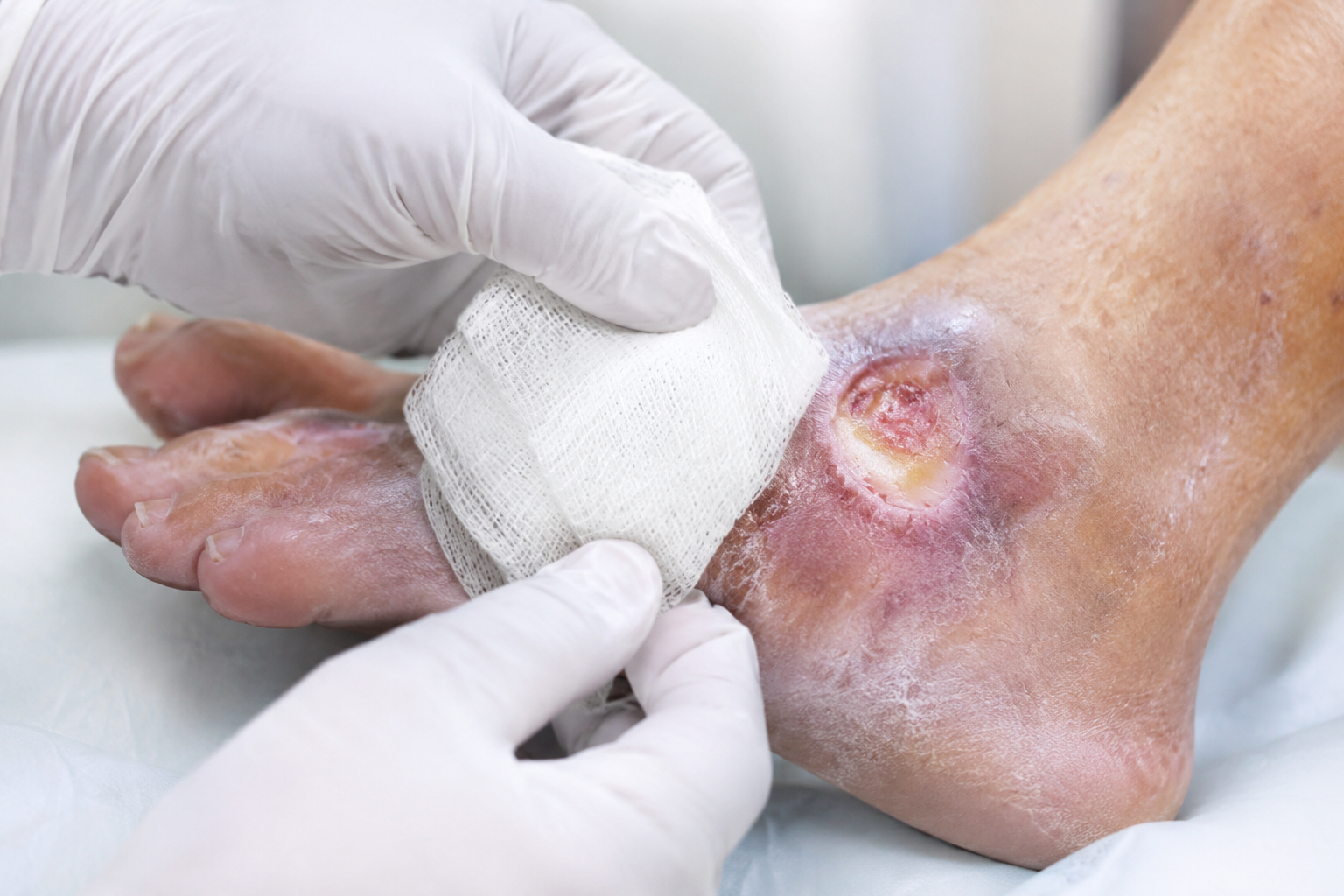
High sugar damages the small nerves and arteries of the feet, which is how ulcers begin. Therefore lowering HbA1c slows nerve damage, improves circulation and helps wounds heal faster. However damage already present does not disappear, so patients in remission still need regular diabetic foot assessment and diagnostics.
Diabetic neuropathy: nerve damage caused by long term high blood sugar, which reduces sensation in the feet and hides early injuries.
At EDFC we see this pattern often. For example, a patient reaches remission, feels well, then walks barefoot at home and develops a painless blister. Similarly, ill fitting shoes cause silent pressure wounds. Therefore correct diabetic footwear and offloading matters even when sugars look perfect, and any non healing wound needs prompt diabetic foot ulcer care.
When should you see a doctor?
See a doctor before starting any reversal plan, particularly if you take insulin or sulfonylureas, because these medicines can cause dangerously low sugar during rapid weight loss. In addition, seek urgent review for any foot wound, colour change, swelling or new numbness, whatever your current sugar readings show.
Patients often ask us, can Type 2 Diabetes be reversed while a foot ulcer is healing? Yes, and the two goals support each other. Better sugar control speeds wound healing, meanwhile healed feet allow the daily walking that drives remission.
Elegance Diabetic Foot & Ulcer Clinic is India's first chain of clinics dedicated to diabetic foot care, led by Dr. Ashutosh Shah, a plastic, reconstructive and diabetic foot surgeon with 22 years of experience and more than 10,000 limbs and feet saved. Our Surat team, working alongside Elegance Clinic, Surat, treats remission and foot protection as one plan rather than two. Book a consultation at Elegance Diabetic Foot & Ulcer Clinic, or send a photo of your foot concern on WhatsApp for quick guidance, through our consultation booking page.
This article is for general information only and does not replace personal medical advice. Please consult a qualified doctor before changing any diabetes medication or treatment plan.
quiz Frequently Asked Questions
This article is general education, not a diagnosis. If you have a diabetic foot wound, please have it assessed in person. Send a photo on WhatsApp or book a consultation.
About the Author

Dr. Ashutosh Shah, Plastic, Reconstructive & Diabetic Foot Surgeon, Elegance Diabetic Foot & Ulcer Clinic, Surat
Dr. Ashutosh Shah is a board certified plastic and reconstructive surgeon with over 22 years of experience and more than 10,000 limbs and feet saved. He founded Elegance Diabetic Foot & Ulcer Clinic, India's first chain of clinics dedicated to foot care, with centres in Surat and OPD partners across South Gujarat. He is known for a limb first approach, safe wound care and ethical, natural results.