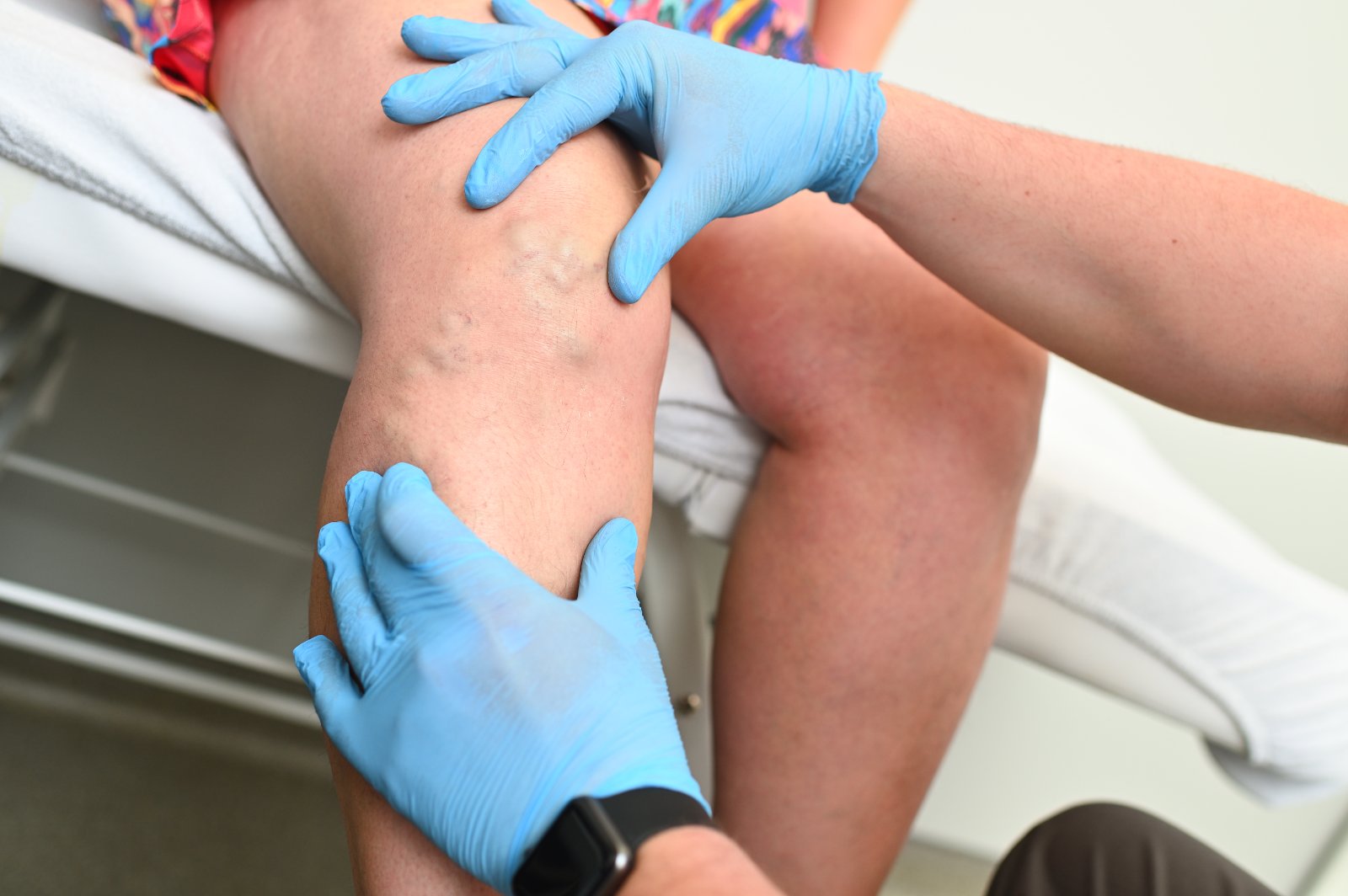
The best varicose vein ulcer treatment heals the open ulcer and corrects the faulty leg veins causing it, so the wound does not return. It combines compression therapy and advanced dressings with modern procedures like laser (endovenous) ablation or sclerotherapy to close the diseased veins, giving lasting healing rather than a temporary fix.
A varicose vein ulcer will keep coming back if only the wound is treated. This guide explains what the best varicose vein ulcer treatment involves, the modern options including laser, and how to choose the right care so the ulcer heals and stays healed.
What is a varicose vein ulcer?
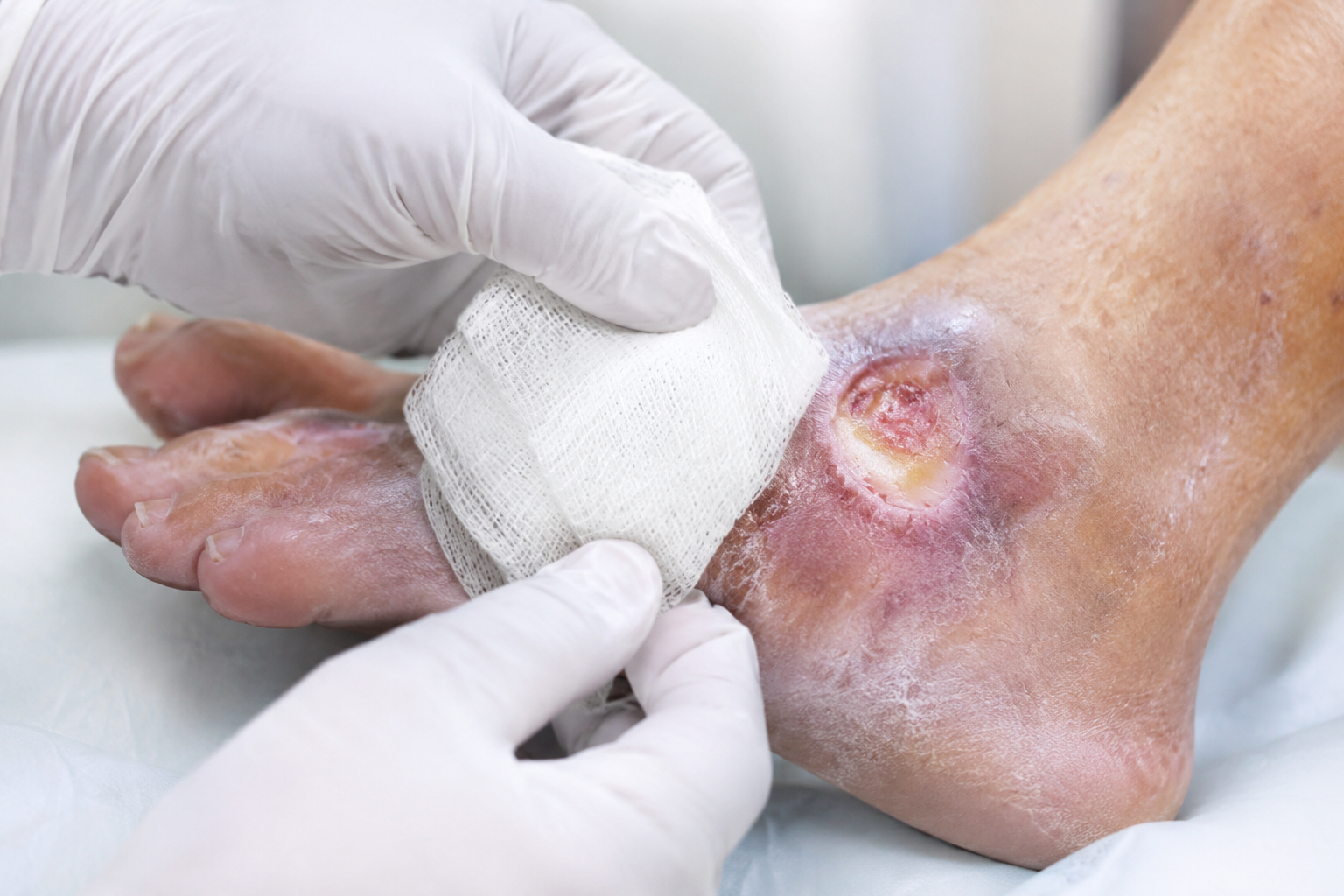
A varicose vein ulcer, also called a venous leg ulcer, is an open sore that forms on the lower leg, usually near the ankle, when varicose veins and weak vein valves raise the pressure in the leg. That high pressure damages the skin until it breaks down into a slow-healing wound.
It is the most common type of leg ulcer and the final stage of untreated vein disease. These ulcers rarely heal on their own because the underlying vein problem keeps the pressure high, which is why the right treatment matters so much. Learn more about the venous ulcer and its stages.
What is the best varicose vein ulcer treatment?
The best varicose vein ulcer treatment works on two fronts at once: it heals the open wound and corrects the faulty veins driving it. Treating only the ulcer leaves the high vein pressure in place, so the wound returns; treating the veins as well gives lasting results.
In practice, the best treatment combines compression therapy, advanced wound dressings, and a modern procedure such as laser ablation to close the diseased vein. The exact plan is chosen after a scan of the leg's blood flow (vascular assessment).
Why does the best treatment target the veins, not just the ulcer?
The best treatment targets the veins because the faulty veins are the real cause of the ulcer. If the diseased veins are left untreated, the leg pressure stays high and the healed skin simply breaks down again in the same place.
By closing or removing the faulty vein, the pressure is relieved at its source. This is the difference between a temporary fix and a lasting cure, and it is why modern treatment focuses on the veins alongside caring for the wound.
What are the modern treatment options?
Modern varicose vein ulcer treatment ranges from compression and dressings that heal the wound to minimally invasive procedures that correct the veins. Most patients need a combination. The table below shows the main options.
| Treatment | What it does |
|---|---|
| Compression therapy | Bandages or stockings that lower vein pressure, the cornerstone of healing |
| Advanced wound dressings | Keep the ulcer moist, control fluid and bacteria, and speed healing |
| Laser (endovenous) ablation | Uses laser energy to seal the faulty vein, minimally invasive |
| Radiofrequency ablation (RFA) | Uses heat to close the diseased vein through a tiny opening |
| Sclerotherapy | Injection that seals smaller diseased veins |
| Leg elevation and calf exercise | Reduce swelling and help blood return from the leg |
How does laser treatment help varicose veins and ulcers?
Laser treatment, known as endovenous laser ablation, heals varicose veins by sealing the faulty vein from the inside so blood no longer pools in the leg. It is a modern, minimally invasive solution done through a tiny opening, usually under local anaesthesia, with a quick recovery.
By closing the diseased vein, laser treatment removes the high pressure that causes the ulcer, helping the wound heal and preventing it from returning. It has largely replaced older open surgery for many patients because it is gentler and allows a faster return to daily life.
Venous vs arterial leg ulcer: why the right diagnosis matters
Not every leg ulcer is a varicose vein (venous) ulcer, and the correct diagnosis decides the best treatment. A venous ulcer comes from vein pressure, while an arterial ulcer comes from poor blood supply, and the two need very different care.
Compression, which heals a venous ulcer, can be harmful for an arterial ulcer, so a proper assessment is essential before treatment. This is why the best varicose vein ulcer treatment always begins with a vascular check to confirm the ulcer type. The clinic also treats other wounds through its non-diabetic ulcer service.
Can a varicose vein ulcer be cured permanently?
Yes, most varicose vein ulcers can be healed, and the chance of them returning drops sharply when the underlying veins are corrected as well as the wound. Ulcers treated with dressings alone often come back, because the faulty veins are still there.
Combining wound healing with laser or another vein procedure, plus ongoing compression, treats the root cause. Continuing to wear compression stockings after healing is one of the most effective ways to keep the ulcer from returning.
How much does varicose vein ulcer treatment cost?
The cost of varicose vein ulcer treatment depends on the ulcer's size, the state of the veins, and whether a procedure such as laser ablation is needed, so an accurate price is given after assessment. Treating the cause once is often more economical than repeatedly dressing an ulcer that keeps returning.
At your consultation, the specialist examines the leg, confirms the ulcer type, and explains the recommended treatment and its cost clearly, including any options available.
What makes a clinic the best for varicose vein ulcer treatment?
The best clinic for varicose vein ulcer treatment offers complete care under one roof: vascular assessment, wound healing, and modern vein correction such as laser. This means the ulcer and its cause are treated together, by one expert team.
- A specialist who assesses the veins, not just the wound.
- Access to compression, advanced dressings, and laser or other vein procedures.
- Correct diagnosis of venous versus arterial ulcers before treatment.
- Experience with complex, long-standing, or recurring leg ulcers.
- A focus on lasting healing and preventing recurrence.
Best varicose vein ulcer treatment at Elegance Diabetic Foot & Ulcer Clinic, Surat
At Elegance Diabetic Foot & Ulcer Clinic in Surat, led by Dr. Ashutosh Shah, varicose vein ulcers are treated with complete, modern care: vascular assessment, compression, advanced dressings, and vein correction including laser. As a plastic and microvascular surgeon, Dr. Shah manages even large or long-standing leg ulcers, including those that need reconstruction to close. The focus is on healing the ulcer and fixing its cause, so patients get lasting results rather than a wound that keeps returning.
Book the best varicose vein ulcer treatment in Surat
If you have a leg ulcer that will not heal or visible varicose veins with skin changes, modern treatment can heal the wound and protect your leg. Book a consultation with Elegance Diabetic Foot & Ulcer Clinic in Surat, or send a photo of your leg on WhatsApp for quick guidance on your next step.
This article is for general education only and is not a substitute for professional medical advice, diagnosis, or treatment. Please consult Dr. Ashutosh Shah or a qualified specialist about your individual condition.
quiz Frequently Asked Questions
This article is general education, not a diagnosis. If you have a diabetic foot wound, please have it assessed in person. Send a photo on WhatsApp or book a consultation.
About the Author
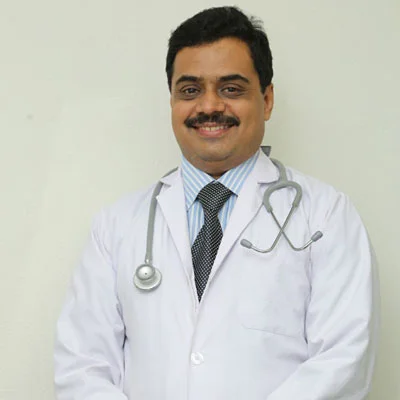
Dr. Ashutosh Shah, Plastic, Reconstructive & Diabetic Foot Surgeon, Elegance Diabetic Foot & Ulcer Clinic, Surat
Dr. Ashutosh Shah is a board certified plastic and reconstructive surgeon with over 22 years of experience and more than 10,000 limbs and feet saved. He founded Elegance Diabetic Foot & Ulcer Clinic, India's first chain of clinics dedicated to foot care, with centres in Surat and OPD partners across South Gujarat. He is known for a limb first approach, safe wound care and ethical, natural results.