
Written by Dr. Ashutosh Shah, MBBS, MS, MCh (Plastic & Microvascular Surgery), Diabetic Foot Specialist, Elegance Diabetic Foot & Ulcer Clinic (EDFC). Reg. No. [MCI/GMC Reg. No.]. 22+ years of experience. Read Dr. Shah's full profile.
Medically reviewed by Dr. Ashutosh Shah.
Affordable diabetic foot treatment in Jamnagar is available through specialist-led wound care that combines early assessment, non-surgical dressings, and limb-saving surgery only when needed. Getting seen early keeps costs low and helps you avoid expensive complications like deep infection or amputation.
If you have diabetes and a foot wound, blister, or numbness, the price of waiting is far higher than the price of treatment. This guide explains what affordable diabetic foot care in Jamnagar actually involves, what drives the cost up or down, and how a diabetic foot specialist protects both your foot and your budget.
What is affordable diabetic foot treatment in Jamnagar?
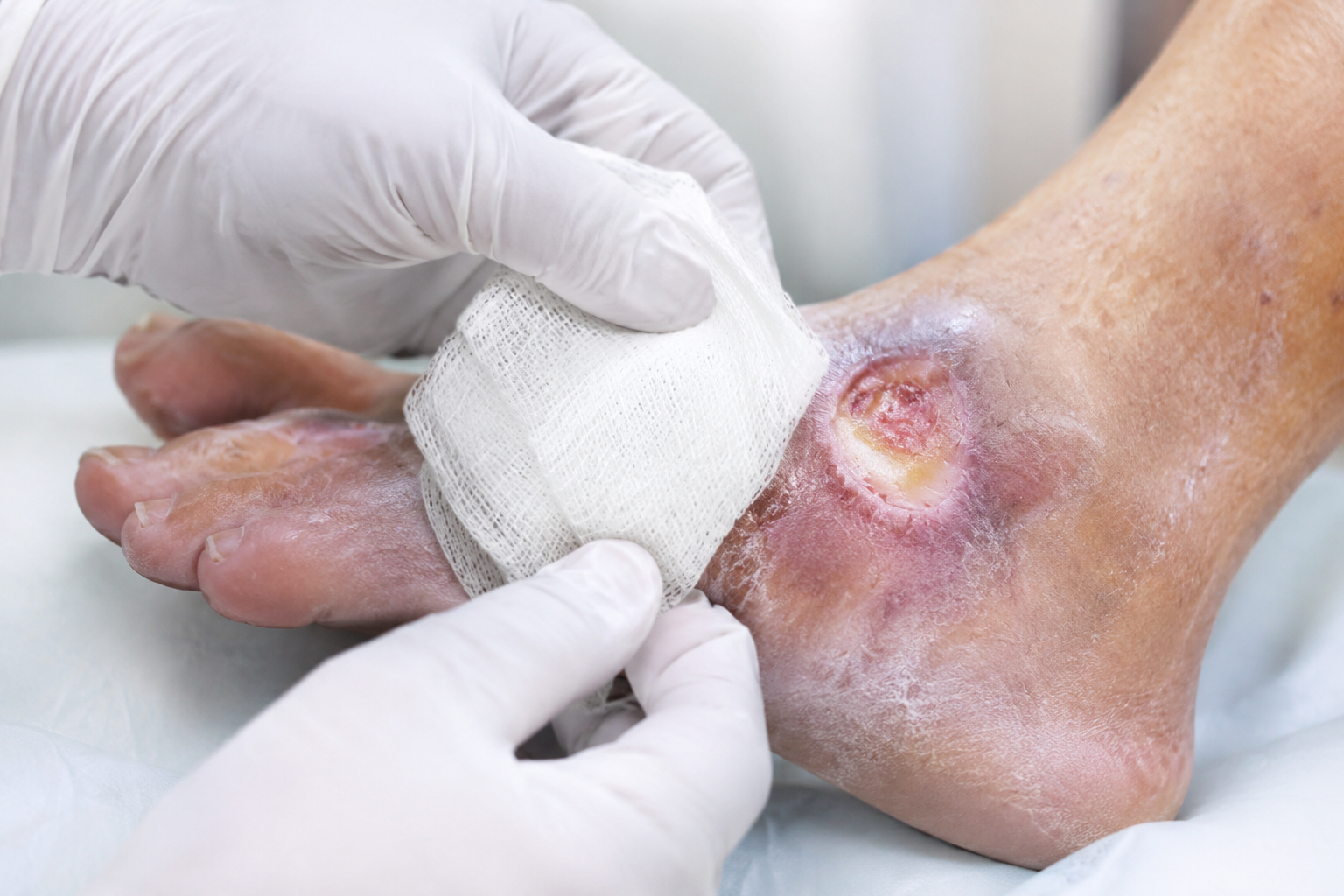
Affordable diabetic foot treatment in Jamnagar means getting the right level of specialist care at the right time, so a small problem never becomes an expensive one. A diabetic foot is a foot at risk of ulcers, infection, and poor healing because diabetes damages nerves and blood vessels.
Affordability is not about the cheapest dressing, it is about avoiding the most costly outcome. A single neglected ulcer can lead to hospital admission or surgery, while an early clinic visit is a fraction of that. You can review the full range of options on our diabetic foot services page.
Why does diabetic foot damage happen?
Diabetic foot damage happens because long-term high blood sugar harms the nerves (neuropathy) and narrows the arteries (peripheral arterial disease) in the legs. Together, these mean you may not feel an injury, and wounds get too little blood to heal.
A small cut, an ill-fitting shoe, or a callus can quietly turn into an open ulcer - a wound that breaks through the skin. According to the IWGDF diabetic-foot guidelines, structured foot care and early treatment substantially reduce the risk of serious complications.
What are the warning signs I should not ignore?
See a specialist quickly if you notice any of the signs below. Catching them early is the single biggest factor in keeping treatment affordable and avoiding surgery.
- Any open wound, blister, or crack on the foot that is slow to heal.
- Redness, swelling, warmth, or pus, signs of infection.
- Numbness, tingling, or burning in the feet or toes.
- Black or darkening skin on a toe or the foot (possible tissue death).
- Foul smell or a wound that suddenly grows larger.
- Foot pain at rest or cramping in the legs while walking.
In our clinic, we commonly see patients who waited weeks because the wound was painless and painless is exactly why diabetic wounds are dangerous. Our assessment and diagnostics service checks nerve sensation and blood flow before treatment begins.
How is the diabetic foot diagnosed?
Diagnosis starts with a physical foot exam, a check of your sensation with a monofilament test, and a blood-flow assessment of the arteries in your legs. Where needed, we add wound swabs, blood tests, X-rays, or a vascular scan to rule out deep infection or blocked arteries.
This step matters for affordability: an accurate diagnosis prevents wasted spending on the wrong treatment. If circulation is the real problem, restoring blood flow through our vascular services is what makes every dressing afterward actually work.
How is diabetic foot treated and what does it cost?
Most diabetic foot problems are treated without surgery when caught early, using wound cleaning, advanced dressings, offloading, and infection control. Surgery is reserved for deep infection, dead tissue, or reconstruction to save the limb. Your cost depends mainly on how advanced the wound is when you arrive.
Non-surgical care through our non-surgical wound management service is the most affordable path. When surgery is unavoidable, diabetic foot surgery by a microvascular specialist is what stands between a patient and amputation. The table below shows how stage drives cost.
| Stage of foot problem | Typical treatment | Relative cost & effort |
|---|---|---|
| Prevention / at-risk foot | Foot screening, footwear, patient education | Lowest - a few clinic visits |
| Early ulcer (surface) | Dressings, offloading, infection control | Low- outpatient, non-surgical |
| Infected or deep ulcer | Debridement, antibiotics, advanced dressings | Moderate- longer treatment course |
| Severe / limb-threatening | Surgery, reconstruction, vascular repair | Highest - but far cheaper than amputation |
Exact pricing varies by wound severity, infection, and circulation, so we give a clear estimate after examination rather than a blind quote. For an honest, itemised assessment you can book a consultation with our team.
How can I keep diabetic foot treatment affordable?
The cheapest treatment is the one you never need. Daily self-care and early review keep small problems from becoming surgical ones. Follow these steps consistently:
- Inspect both feet every day, including between the toes, using a mirror if needed.
- Wash and dry feet gently, then moisturise but never between the toes.
- Never walk barefoot; wear well-fitted, protective footwear.
- Cut nails straight across and never dig at corners or calluses yourself.
- Keep blood sugar controlled good glucose control speeds healing.
- Get any wound checked within 24-48 hours, not next week.
Proper offloading shoes and insoles prevent recurrence, which is why our footwear and offloading service is part of affordable long-term care. The American Diabetes Association's foot-care guidance reinforces these same daily habits.
When should a Jamnagar patient see a specialist?
See a diabetic foot specialist immediately if you have an open wound, spreading redness, fever, black skin, or a foot that suddenly changes shape or colour. These are red flags where every day counts, and delay is what turns an affordable problem into an amputation risk.
For patients in Jamnagar, the fastest first step is to send clear photos of the wound over WhatsApp so it can be triaged the same day, followed by an in-person visit at the nearest Elegance OPD center. Do not wait for a wound to hurt before acting.
Treatment at Elegance Diabetic Foot & Ulcer Clinic (EDFC)
At Elegance Diabetic Foot & Ulcer Clinic, care is led by Dr. Ashutosh Shah, a Plastic & Microvascular Surgeon and diabetic foot specialist with 22+ years of experience. Because the same surgeon handles wound care, vascular assessment, and reconstruction, Jamnagar patients get a single, coordinated plan instead of being sent from clinic to clinic.
Diabetic foot wounds are triaged first, and photos over WhatsApp get the fastest response. Learn more about our clinic and approach, or reach us any time through our contact page.
Book Your Diabetic Foot Assessment
Do not let a small wound become a big cost. For a clear, honest assessment of your diabetic foot and affordable, specialist-led treatment, book a consultation with Elegance Diabetic Foot & Ulcer Clinic today.
Medical disclaimer: This article is for education only and is not a substitute for professional diagnosis or treatment. Please consult Dr. Ashutosh Shah or a qualified diabetic foot specialist about your individual condition
quiz Frequently Asked Questions
This article is general education, not a diagnosis. If you have a diabetic foot wound, please have it assessed in person. Send a photo on WhatsApp or book a consultation.
About the Author

Dr. Ashutosh Shah, Plastic, Reconstructive & Diabetic Foot Surgeon, Elegance Diabetic Foot & Ulcer Clinic, Surat
Dr. Ashutosh Shah is a board certified plastic and reconstructive surgeon with over 22 years of experience and more than 10,000 limbs and feet saved. He founded Elegance Diabetic Foot & Ulcer Clinic, India's first chain of clinics dedicated to foot care, with centres in Surat and OPD partners across South Gujarat. He is known for a limb first approach, safe wound care and ethical, natural results.