Advanced non-healing ulcer treatment finds why a wound or ulcer is stuck and closes it safely. It combines removing dead tissue (debridement), controlling infection, restoring blood flow, advanced dressings and PRP, and, for deep wounds such as after an accident, surgery like skin grafts - to heal the ulcer and save the limb.
When an ulcer or a wound from an accident, surgery, or diabetes has not healed in weeks, ordinary care is not enough. This guide explains why wounds get stuck and how advanced, specialist treatment in Surat gets them to finally heal.
What is a non-healing ulcer?
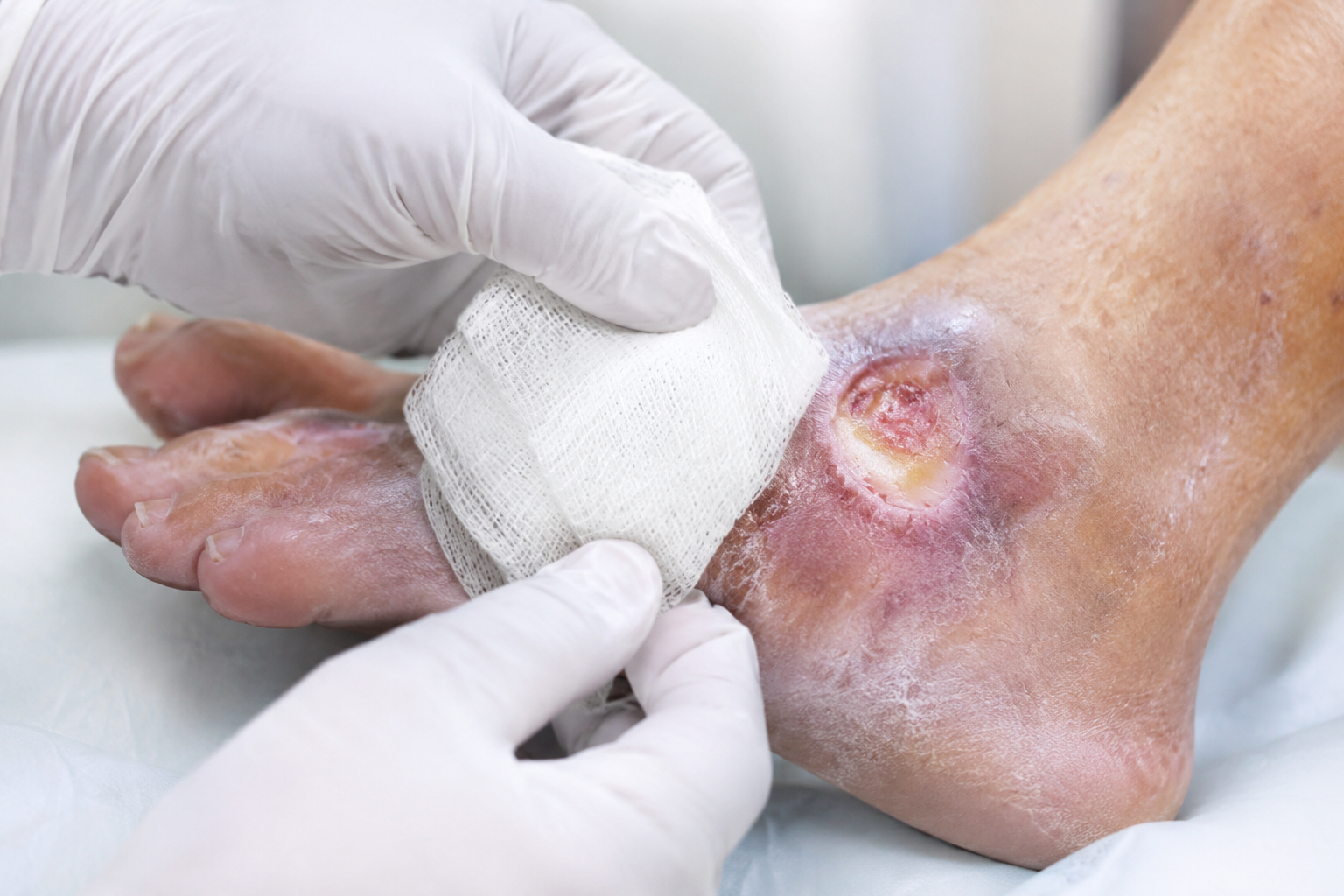
A non-healing ulcer is an open wound that has not shown real healing in about four weeks or has not closed in roughly two months. Instead of steadily improving, it is stuck in the healing process because something is holding it back.
Non-healing ulcers and wounds include diabetic foot ulcers, wounds that will not heal after an accident or surgery, pressure sores, and leg ulcers. Whatever the cause, advanced wound care follows the same goal: remove what is blocking healing and help the wound close.
Why won't a wound or ulcer heal after an accident?
A wound may not heal after an accident because infection, poor blood supply, dead tissue, or ongoing pressure is blocking the process. Accident wounds are often deep or contaminated, which stalls healing until a specialist treats the cause.
This is exactly why a wound that "should" have healed stays open for months. A non-healing ulcer is the body signalling that it needs advanced wound treatment, not more time.
What causes an ulcer to stop healing?
An ulcer stops healing when one or more specific problems interrupt repair. Finding and treating these is the heart of advanced non-healing ulcer treatment.
- Infection - bacteria in the wound stall healing and can spread.
- Poor blood supply - without good circulation the wound is starved of oxygen and healing cells.
- Dead or damaged tissue - slough and dead tissue block new growth.
- Repeated pressure or movement - keeps re-injuring the area.
- Diabetes or other illness - high blood sugar and poor health slow healing.
- Deep or contaminated injury - common in accident and trauma wounds.
How does advanced non-healing ulcer treatment work?
Advanced non-healing ulcer treatment works by removing whatever is blocking healing and then actively supporting the wound to close. It almost always combines several steps rather than a single dressing, and is tailored to the wound after a proper assessment.
Treatment starts with examining the wound and checking blood flow and infection through assessment and diagnostics, then targets the exact cause. For a deep accident wound, it may include reconstructive surgery to rebuild lost tissue through wound management and, where needed, surgery.
What treatments help a non-healing ulcer heal?
Several treatments are used together to heal a stuck ulcer, chosen to match its cause. The table below shows the main options in advanced wound care.
| Treatment | What it does |
|---|---|
| Debridement | Removes dead or infected tissue so healthy tissue can grow |
| Infection control | Clears bacteria with antibiotics and antimicrobial dressings |
| Advanced wound dressings | Keep the wound moist and protected to speed healing |
| PRP for wound healing | Uses your own platelet-rich plasma to stimulate tissue repair |
| Restoring blood flow | Improves circulation so the wound gets oxygen and healing cells |
| Skin graft or flap surgery | Rebuilds skin over large or deep accident wounds |
Is PRP effective for non-healing wounds and ulcers?
Yes, PRP (platelet-rich plasma) can help many non-healing ulcers by concentrating your own healing factors and applying them to the wound to stimulate new tissue. It is a valuable part of advanced wound care for wounds that have stalled.
PRP for wound healing works best alongside the essentials - debridement, infection control, and good blood flow - rather than on its own. Your specialist decides whether PRP is suitable after assessing your ulcer.
When should you see a specialist for a wound that won't heal?
See a wound specialist if an ulcer or wound has not clearly improved in two to four weeks, or sooner if there are signs of infection. Early advanced treatment gives the best chance of healing and avoids serious complications.
- A wound that is the same size or larger after two weeks.
- Redness, warmth, swelling, pus, or a bad smell.
- Increasing pain, or blackened tissue around the wound.
- Fever or feeling generally unwell.
- You have diabetes or poor circulation and any wound that is slow to heal.
Can a non-healing ulcer lead to amputation?
An untreated non-healing ulcer can become seriously infected and, in severe cases, threaten the limb - but this is largely preventable with timely, advanced care. Most non-healing ulcers can be healed and limbs saved when treated early.
The danger comes from waiting. A deep or infected wound that is ignored can spread to bone and cause gangrene, which is far harder to treat. Prompt, expert wound care is the single biggest factor in avoiding that outcome.
Advanced non-healing ulcer treatment at Elegance Diabetic Foot & Ulcer Clinic, Surat
At Elegance Diabetic Foot & Ulcer Clinic in Surat, led by Dr. Ashutosh Shah, non-healing ulcers and wounds - including accident and traumatic wounds - are treated with a complete, limb-saving approach. As a plastic and microvascular surgeon, Dr. Shah offers everything from debridement, advanced dressings, and PRP to reconstructive surgery for deep wounds, all under one roof. The clinic also runs a dedicated non-diabetic wound and ulcer service for injuries and other chronic wounds. If a wound has not healed in weeks, a specialist assessment is the safest next step.
Book advanced non-healing ulcer treatment in Surat
If an ulcer or a wound from an accident or injury is not healing, do not wait for it to worsen. Book a consultation with Elegance Diabetic Foot & Ulcer Clinic in Surat, or send a photo of the wound on WhatsApp for quick guidance on your next step.
This article is for general education only and is not a substitute for professional medical advice, diagnosis, or treatment. Please consult Dr. Ashutosh Shah or a qualified specialist about your individual wound.
quiz Frequently Asked Questions
This article is general education, not a diagnosis. If you have a diabetic foot wound, please have it assessed in person. Send a photo on WhatsApp or book a consultation.
About the Author
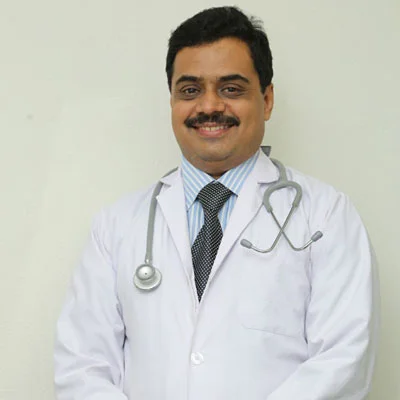
Dr. Ashutosh Shah, Plastic, Reconstructive & Diabetic Foot Surgeon, Elegance Diabetic Foot & Ulcer Clinic, Surat
Dr. Ashutosh Shah is a board certified plastic and reconstructive surgeon with over 22 years of experience and more than 10,000 limbs and feet saved. He founded Elegance Diabetic Foot & Ulcer Clinic, India's first chain of clinics dedicated to foot care, with centres in Surat and OPD partners across South Gujarat. He is known for a limb first approach, safe wound care and ethical, natural results.