
Vascular Assessment
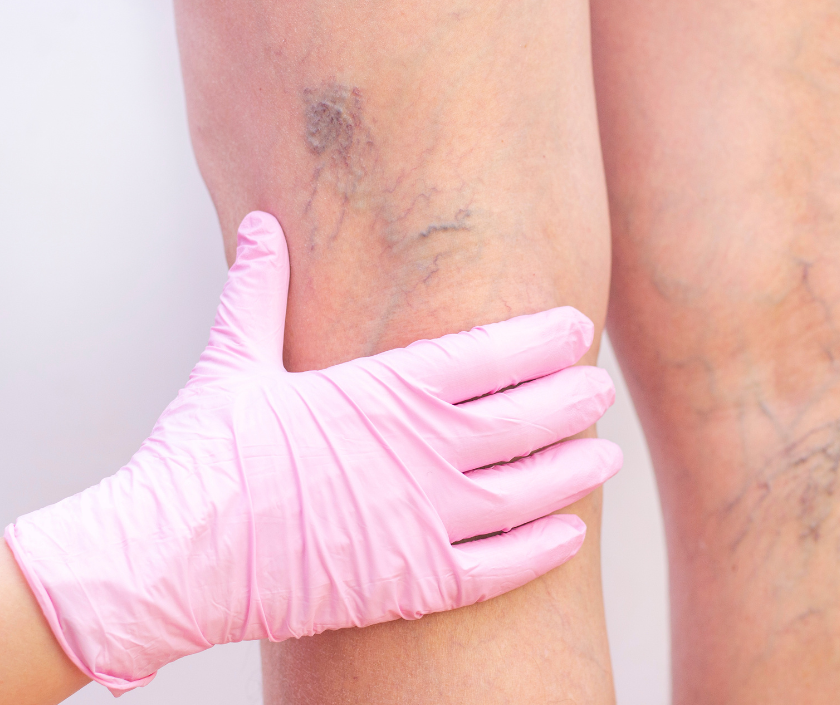
Diabetic Foot Vascular Assessment in India
Poor blood circulation is one of the biggest reasons diabetic foot wounds fail to heal. At Elegance Diabetic Foot & Ulcer Clinic (EDFC), our vascular assessment checks exactly how well blood is reaching your feet, so that reduced circulation can be caught and managed before it turns a small wound into a limb-threatening one.
This assessment is led by Dr. Ashutosh Shah and is a core part of our Comprehensive Foot Evaluation, within EDFC's broader Assessment & Diagnostics programme, and connects directly with our dedicated Vascular Services.
Why a Vascular Assessment Matters
Diabetes damages blood vessels over time, a condition known as peripheral arterial disease (PAD). When circulation drops, even a minor cut can take weeks to heal, or not heal at all. A structured foot circulation test can:
- Detect reduced blood flow before a wound fails to heal
- Identify peripheral arterial disease (PAD) screening needs early, before symptoms become severe
- Determine whether an existing wound will heal on its own or needs vascular intervention
- Feed directly into your overall Diabetic Foot Risk Assessment grading
- Guide decisions on referral for angioplasty or vascular surgery, where needed
Dr. Shah's team follows a simple rule: "A wound cannot heal on blood supply that isn't there. We check the pipes before we treat the wound."
What Our Vascular Assessment Includes
- Symptom history: leg pain on walking (claudication), cold feet, color changes, or slow-healing wounds
- Pulse examination: manual check of foot and ankle pulses
- Ankle Brachial Index (ABI) test: a simple, painless ankle brachial index test comparing blood pressure in the ankle and arm to screen for PAD
- Doppler ultrasound: where indicated, to map blood flow in more detail
- Skin and temperature assessment: checking for signs of reduced perfusion such as color change, coolness, or hair loss on the leg
- Correlation with wound status: for patients with an existing ulcer, assessed alongside our Ulcer Assessment
- Final grading and referral plan: documented vascular status with a clear next step, whether that is monitoring, medical management, or referral for intervention
Who Should Get This Assessment
- Diabetic patients with a wound or ulcer that is healing slowly or not at all
- Patients experiencing leg or calf pain while walking that eases with rest
- Anyone with cold feet, pale or bluish skin, or reduced hair growth on the lower leg
- Smokers with diabetes, who carry a significantly higher PAD risk
- Patients already flagged as moderate or high risk during a Diabetic Foot Risk Assessment
Why Choose EDFC and Dr. Ashutosh Shah
- India's first dedicated chain of foot care clinics, with vascular screening built into every comprehensive evaluation
- Testing protocols aligned with the IWGDF and intersocietal PAD guidelines for diabetes-related foot care
- Direct, in-house pathway into Vascular Services and, where needed, Diabetic Foot Surgery or Reconstructive Surgery
- Photo-based WhatsApp guidance for patients outside Surat and Vizianagaram, see all OPD Centers
What Happens After Your Assessment
- Normal circulation: Continue annual vascular screening as part of routine diabetic foot care
- Mild PAD: Lifestyle guidance, medical management, and 6-monthly review
- Moderate to severe PAD: Referral for detailed vascular imaging and possible intervention through our Vascular Services
- Non-healing wound with poor circulation: Immediate referral into our Ulcer Assessment and Amputation Risk Assessment pathway
Read real patient outcomes on our Success Stories page.