
Skin & Nail Disorders
Viral Warts
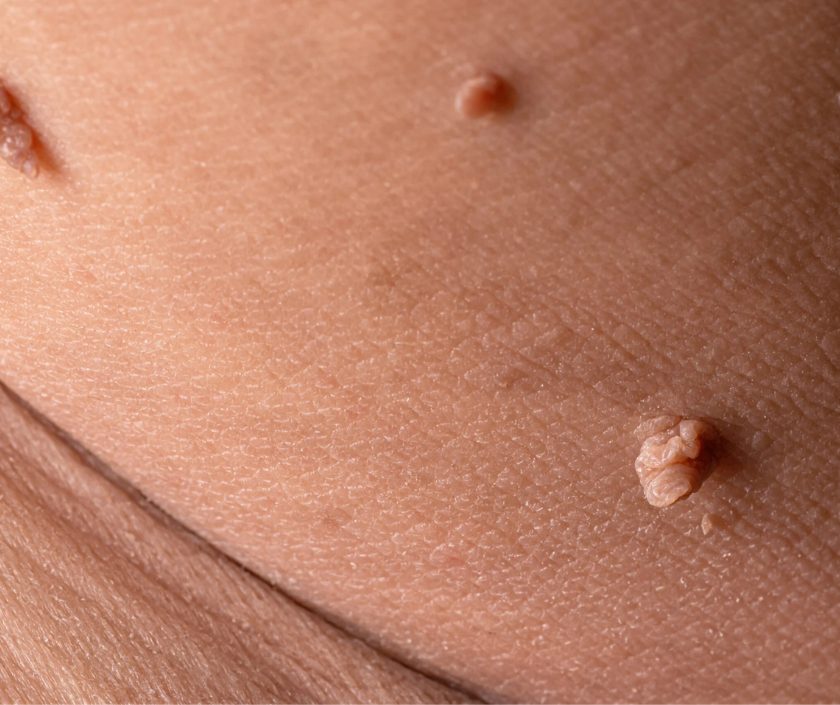
Viral warts are rough skin growths caused by the human papillomavirus (HPV). On the feet they often appear as plantar warts on the sole or around the toes, and because the virus spreads easily, they tend to multiply or come back. In diabetics, cutting or burning warts at home can open the door to serious infection.
A viral wart is a contagious skin growth caused by the human papillomavirus entering through tiny breaks in the skin. Most warts are harmless, but plantar warts on the sole become painful with every step and spread to nearby skin. In a diabetic foot, any wart needs professional removal rather than home remedies.
Key Takeaways
- Viral warts are caused by the human papillomavirus (HPV) and spread by direct contact.
- Plantar warts grow on the sole of the foot and hurt with every step because of body weight.
- Studies estimate that around 1 in 10 people develop skin warts at some point in life.
- Acid based home remedies are unsafe for diabetics, since a small burn can become a non healing wound.
- Most warts are removed in a single sitting with electrocautery or radiofrequency under local anaesthesia.
- EDFC in Surat removes warts with strict wound care technique, so the treated spot heals safely even in diabetic feet.
What Are Viral Warts?
Viral warts are rough, raised skin growths caused by the human papillomavirus. The virus enters through tiny cuts or cracks in the skin, and the skin responds by growing a thick, cauliflower like lump. Warts are not dangerous by themselves, however they are contagious, often painful on the foot, and easy to confuse with corns.
Plantar wart: a viral wart on the sole of the foot that grows inward under body weight and hurts on walking.
At Elegance Diabetic Foot & Ulcer Clinic (EDFC) in Surat, we see viral warts on the feet almost every week. Patients often arrive after months of home treatment, because a wart on the sole was mistaken for a simple corn.
Is It a Wart or a Corn?
A wart and a corn look similar, yet they behave differently. A wart is a viral infection with tiny black dots inside, and it hurts when you pinch it from the sides. A corn is pure pressure thickening, and it hurts when you press straight down on it. The treatment for each is completely different.
Consequently, a proper diagnosis matters. Our team examines the growth, checks for the classic signs, and when needed adds a complete diabetic foot assessment to rule out pressure problems hiding underneath.
Why Do Warts Appear on the Feet?
The wart virus loves warm, moist places. Swimming pools, gym floors, shared bathrooms and sweaty shoes are the usual sources. The virus enters through small cracks in the skin, therefore people with dry, cracked heels or minor foot injuries pick it up more easily.
- Walking barefoot in wet public areas
- Sharing towels, socks or footwear
- Picking or shaving an existing wart, which seeds the virus into nearby skin
- Lowered immunity, including uncontrolled diabetes
Why Are Warts Riskier in Diabetes?
In a diabetic foot, a wart is never a minor issue. Home acid paints and blade cutting can create a wound that refuses to heal, and numbness from neuropathy means the damage is often noticed late. As a result, what began as a small wart can end as an infected ulcer.
For this reason, EDFC treats every wart on a diabetic foot as a medical procedure, not a salon job. The same team that manages complex wounds handles the removal, so if the skin is slow to heal, the right care starts immediately.
How Are Viral Warts Treated at EDFC?
Treatment depends on the size, number and location of the warts. Small, early warts may respond to carefully applied medical treatments over a few sittings. Stubborn or painful plantar warts are usually removed in a single session with electrocautery or radiofrequency under local anaesthesia, followed by a protective dressing.
Options we use
- Medical applications: controlled, clinic applied treatments for small early warts
- Cryotherapy: freezing the wart over two to four sittings
- Electrocautery or radiofrequency removal: single sitting removal for thick or resistant warts
- Offloading and dressing: for plantar warts, so the healing spot is protected from body weight
Meanwhile, footwear advice and protective footwear keep pressure off the treated area, which speeds up healing and lowers recurrence.
What Does Wart Removal Cost in Surat?
The cost depends on the number of warts, their size, and the method used. A single small wart removed in one sitting costs far less than multiple deep plantar warts needing staged treatment. At most clinics in Surat the expense stays modest, and at EDFC the full cost is explained clearly before any procedure, with no hidden charges.
Common Myths About Warts
- Myth: warts have roots. They do not. The black dots are tiny blood vessels, not roots.
- Myth: cutting a wart cures it. Cutting spreads the virus and invites infection.
- Myth: warts are only cosmetic. On the sole, a wart changes the way you walk and can create painful pressure points.
- Myth: home acids are safe for everyone. In diabetics they can cause chemical burns that become ulcers.
Aftercare and Prevention
After removal, keep the dressing dry, avoid barefoot walking, and attend the review visit so the team can confirm complete healing. In addition, simple habits protect you from new warts: wear slippers in wet public areas, dry the feet well after bathing, never share footwear, and get any new growth checked early through our preventive foot care programme.
Why Patients Choose EDFC for Wart Removal
EDFC is India's first chain of clinics dedicated entirely to the foot, led by Dr. Ashutosh Shah, plastic and reconstructive surgeon with 22+ years of experience and more than 10,000 limbs and feet saved. Wart removal here comes with the wound care expertise behind it, which matters most for diabetic and elderly feet. If a growth on your foot is troubling you, book a consultation or send a photo on WhatsApp for quick guidance.
quiz Frequently Asked Questions
Not sure what's wrong with your foot?
Send a photo on WhatsApp for an assessment, or book a consultation with Dr. Shah.
This page is for education only and is not a substitute for an in-person diagnosis. Please consult Dr. Ashutosh Shah or a qualified clinician for advice specific to your condition.